Why do cats love boxes so much?
By Dalia · Last reviewed 30 Sept 2026
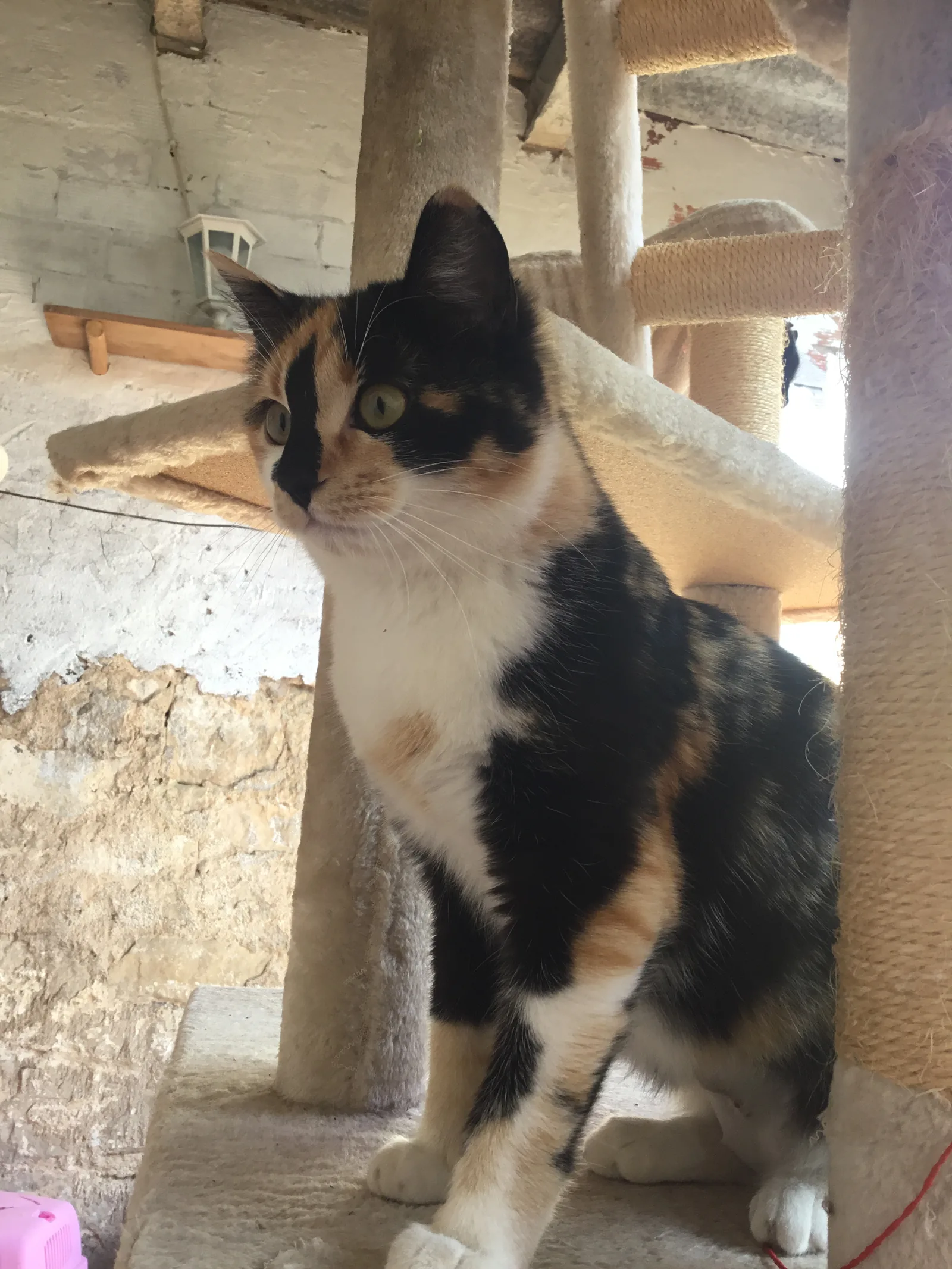
"Why do cats like boxes?" is one of the classic cat questions on Google. Anyone who has bought a cat a present knows the result: the cat ignores the gift and moves into the box.
Hiding means safety
Cats are both hunters and prey (in the wild, larger animals hunt them). When they're stressed or unsure, their instinct is to hide somewhere enclosed, where they can see out but can't easily be seen. A box is perfect: walls on three sides, a view of the room, nothing sneaking up from behind.
The science: boxes reduce stress
This isn't just a cute theory. In a study at a Dutch animal shelter (Vinke and colleagues, 2014), newly arrived cats were given either a hiding box or no hiding box. The cats with a box recovered from stress at least four days earlier than those without. A later randomised controlled trial in Dutch shelter cats also found that hiding enrichment reduced behavioural stress during quarantine.
For shelter and rescue cats, a simple cardboard box can make a real difference.
Other reasons cats love boxes
- Warmth. Cats like warm places, and cardboard is a good insulator. A cat curled up in a box keeps its own warmth close.
- Ambush headquarters. A box is a perfect hiding spot to pounce from: excellent for play and hunting practice.
- Scratching and chewing. Cardboard is great to scratch and nibble.
- New smells. A new box is full of interesting scents to investigate.
How to use boxes to help your cat
- Give every cat at least one hiding place, especially in the first days in a new home (see introducing a new cat).
- Shy or rescued cats benefit hugely from a box or covered bed in a quiet room.
- Cut a door in the side of a closed box to make a cosy cave.
- Multi-cat homes: offer several hiding places, so nobody has to compete.
- Rotate boxes now and then to keep them interesting.
When hiding means something's wrong
Hiding is normal, but a cat that suddenly hides much more than usual, stops eating, or doesn't want to come out may be unwell or in pain. If that happens, see your vet.
At Mumcat, every new arrival gets a box on day one. For a frightened street cat, it's the first safe place in a very strange new world.
Questions people ask
Why do cats like boxes?
Boxes let cats hide while watching their surroundings, which makes them feel safe. They are also warm and perfect for play and ambushes.
Do boxes really reduce stress in cats?
Yes. In a Dutch shelter study, cats given a hiding box recovered from stress at least four days sooner than cats without one.
Should I give my new cat a box?
Yes. A box or covered bed in a quiet room is one of the simplest ways to help a new, shy or rescued cat settle in.
Is it a problem if my cat hides all the time?
A sudden increase in hiding, especially with not eating, can signal illness or pain. Contact your vet.
Sources
Stories like this one cost food, vets and time.
A monthly Patreon sponsorship keeps the next rescue possible — and you get the behind-the-scenes updates.
Keep reading
The first days at home
How to introduce a new cat to the king of the house
A new cat and a resident cat can share a home, but only if you let them meet slowly. Here is the five-step method we use at Mumcat, with a short film, honest caveats and two real stories: one that worked and one that did not.
29 Sept 2026
Cat behaviour explained
Why does my cat follow me everywhere (even to the bathroom)?
Your cat trails you from room to room and waits outside the bathroom door. Usually it's attachment, curiosity and routine, but sometimes it's hunger, boredom or anxiety. Here's how to tell, and what research says about cats' bonds with people.
30 Sept 2026
Cat behaviour explained
"Why does my cat do that?" What people ask AI and Google about cats
In Spain and Poland, questions about animal behaviour make up as big a share of AI conversations as gardening, and more than skincare. Here's what the Anthropic Economic Index and Google search data reveal about cat people, and the answers to the questions they ask most.
30 Sept 2026