Why does my cat bite me? Love bites, play and petting
By Dalia · Last reviewed 30 Sept 2026
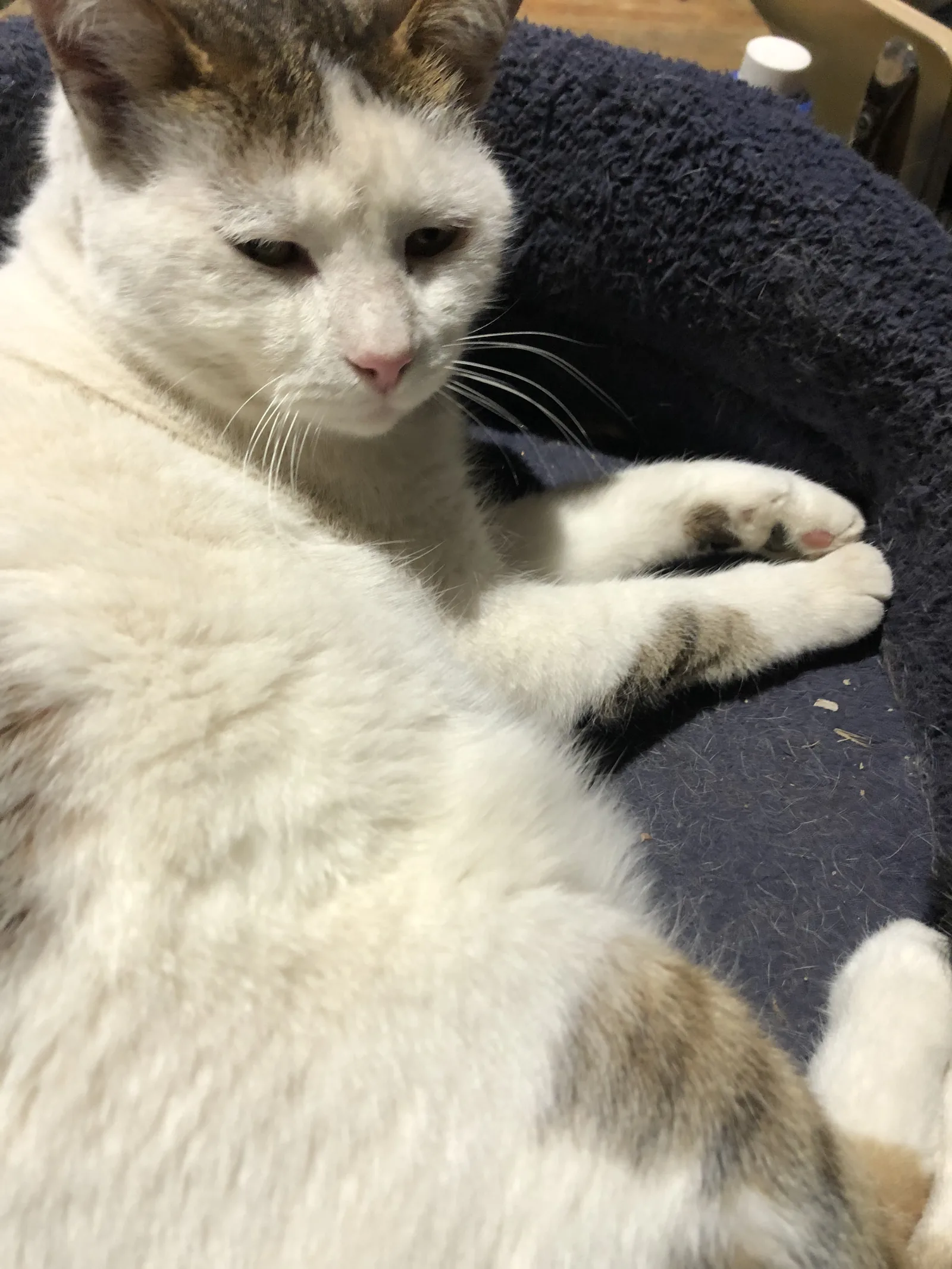
It's one of the most confusing moments of cat ownership: your cat asks for attention, purrs, then suddenly turns and bites the hand that strokes them. "Why does my cat bite me?" is one of the top searches about cats. Here's what's going on.
1. Play biting
Kittens learn to control their bite when playing with littermates. Kittens who were separated early, or who were encouraged to play with human hands, often bite and pounce on hands and feet. It's hunting practice, not hostility, but it hurts.
What helps: never use your hands or feet as toys. Use a wand toy or a kicker toy to keep teeth and claws at a distance, and play every day so that energy has a proper outlet.
2. Petting-induced aggression ("love bites")
This is the classic "bite in the middle of a cuddle". Behaviourists call it petting-induced aggression. The cat enjoys being stroked, then passes a threshold and wants it to stop. Theories include: repetitive stroking becoming irritating, the cat only having one clear way to say "stop", or a cat drowsing off and startling awake. Some cats also dislike being touched in certain spots, commonly the belly, tail, paws or lower back.
Warning signs before the bite:
- tail swishing or twitching
- ears turning sideways or flattening
- skin rippling along the back
- body stiffening, stopping purring
- turning the head to stare at your hand
What helps: keep petting sessions short, focus on the cheeks, chin and base of the ears, and stop before your cat reaches the limit. Let your cat come to you, and end on a good note.
3. Fear
A frightened cat that feels trapped may bite to defend itself: when picked up, restrained, cornered or startled. Fearful cats can also redirect: a cat upset by another cat outside the window may bite the nearest person.
What helps: avoid restraining a scared cat, give them hiding places and an escape route, and let them approach at their own pace.
4. Pain
Pain is an often-missed reason. A cat with sore teeth, ears, joints (see arthritis in cats) or skin may bite when touched in a painful spot, or even when moved slightly.
What helps: if biting is new, or your cat reacts when touched in one particular area, book a vet check.
What not to do
Never hit, shout at or punish a cat for biting. It increases fear and makes bites more likely. Calmly stop the interaction, stay still (pulling away quickly can trigger more biting), and walk away.
When to see a vet or behaviourist
- Biting is new or getting worse.
- Your cat reacts when touched in one area.
- Bites break the skin. (Cat bites can become infected quickly: clean the wound and see a doctor if it swells, reddens or hurts.)
- You can't identify a trigger. A qualified cat behaviourist can help.
Questions people ask
Why does my cat bite me when I pet her?
Often it is petting-induced aggression: your cat enjoys being stroked, then reaches a limit. Watch for a twitching tail, flattened ears or rippling skin and stop before the bite.
Are love bites a sign of affection?
Gentle nibbles during grooming can be affectionate, but a harder bite usually means your cat wants the petting to stop.
How do I stop my kitten biting my hands?
Never use hands or feet as toys. Play daily with wand toys, and calmly stop play if teeth touch skin.
Could biting mean my cat is in pain?
Yes. New biting, or reacting when touched in one spot, can signal pain from teeth, joints, ears or skin. Book a vet check.
Sources
Stories like this one cost food, vets and time.
A monthly Patreon sponsorship keeps the next rescue possible — and you get the behind-the-scenes updates.
Keep reading
Seniors and special needs
Arthritis in cats: the signs, and what really helps
Slowing down isn't always "just old age". Arthritis is very common in older cats and painful, but cats hide it well. Here are the subtle signs to watch for, the treatments your vet can offer, and easy changes at home that make a big difference.
29 Sept 2026
Cat behaviour explained
Why does my cat head-butt me? (Bunting explained)
A firm bonk of the forehead against your face or hand is one of the nicest compliments a cat can give. Here's what head-butting (bunting) means, why it's about scent and trust, and how to respond.
30 Sept 2026
Cat behaviour explained
"Why does my cat do that?" What people ask AI and Google about cats
In Spain and Poland, questions about animal behaviour make up as big a share of AI conversations as gardening, and more than skincare. Here's what the Anthropic Economic Index and Google search data reveal about cat people, and the answers to the questions they ask most.
30 Sept 2026