Why do cats eat grass? What the research says
By Dalia · Last reviewed 30 Sept 2026
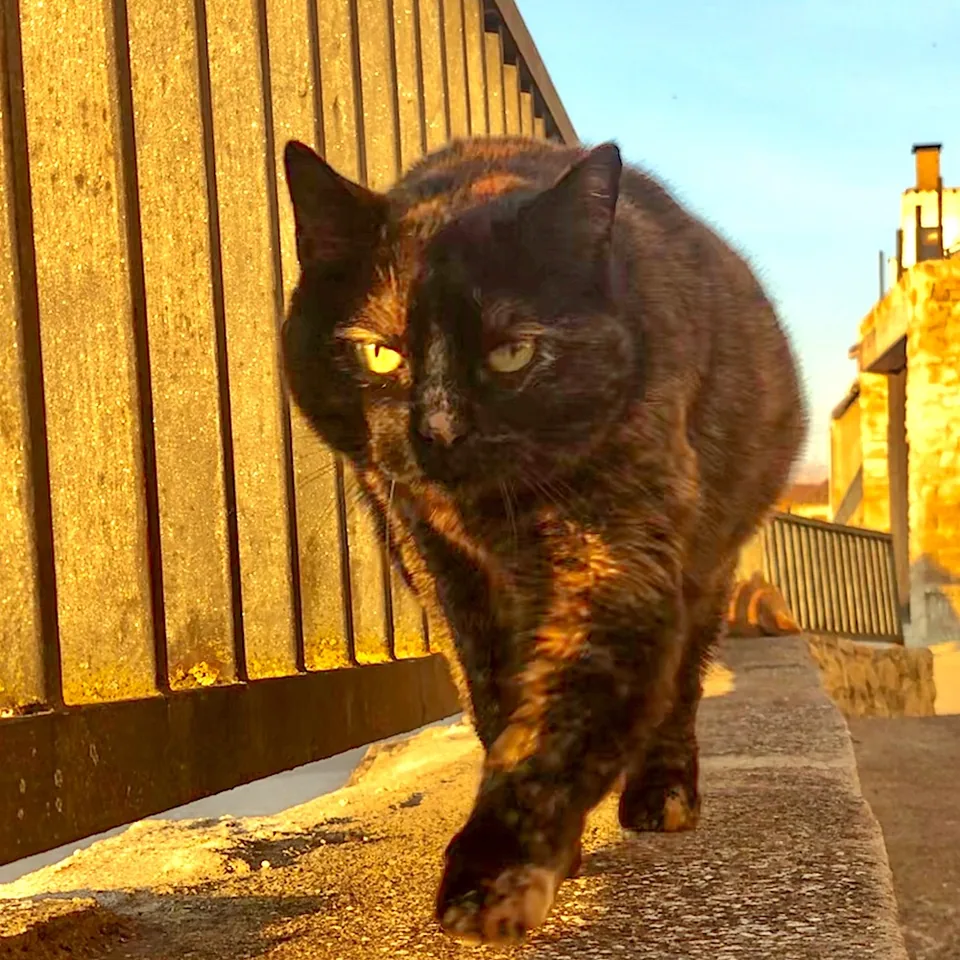
Cats are carnivores, so it surprises many people to see them chewing grass like tiny cows. "Why do cats eat grass?" is one of the most common cat questions on Google, and scientists have actually studied it.
What the research found
Researchers at the University of California, Davis (Hart and colleagues) surveyed cat owners who spent time watching their cats every day. In the group of 1,021 owners:
- 71% of cats had been seen eating plants at least six times in their lives, and only about 11% had never been seen eating plants.
- In about 91% of cases, the cats appeared completely normal before eating plants: no sign of illness.
- About a quarter of cats (27%) were reported to vomit frequently afterwards.
- Young cats ate plants more often, but vomited less.
In other words, cats don't usually eat grass because they feel sick, and eating grass doesn't always make them sick.
So why do they do it?
The leading theory is that it's an inherited instinct. Wild cats swallow hair, feathers and bones with their prey, and often carry intestinal parasites. Eating grass increases muscle activity in the gut, which may help push unwanted material (and some parasites) through or out. Plant material has been found in the stomachs and droppings of wild cats too.
A related idea is the hairball hypothesis: grass may help cats bring up or pass swallowed hair. This fits with long-haired cats swallowing more hair. (Regular brushing helps too: see why brushing matters.)
And some cats probably just like the texture and taste.
How to offer grass safely
- Grow cat grass (usually wheat, oat or barley grass) in a pot indoors. It's cheap, safe and many cats love it.
- Avoid treated lawns: pesticides and fertilisers can be harmful.
- Know your plants. Many common house and garden plants are toxic to cats, some seriously (lilies, oleander, sago palm and more). See our guide to plants that can poison a cat.
- In multi-cat homes, offer more than one pot so nobody has to compete.
When to see a vet
Occasional grass-eating and the odd vomit afterwards is normal. See your vet if your cat:
- vomits often, even without eating grass (see IBD in cats)
- suddenly eats large amounts of plants, or other non-food things
- has diarrhoea, weight loss, lethargy or a poor appetite
- may have eaten a toxic plant (go immediately, and take the plant with you)
Questions people ask
Is it normal for cats to eat grass?
Yes. In a UC Davis survey, 71% of cats had been seen eating plants at least six times, and most showed no sign of illness beforehand.
Why does my cat vomit after eating grass?
About a quarter of cats in the study vomited frequently after eating plants. Grass may help cats bring up hair or other indigestible material.
Should I stop my cat eating grass?
No need, as long as it is safe grass. Offer indoor cat grass and keep your cat away from treated lawns and toxic plants.
When should I worry about grass eating?
If your cat vomits often, eats large amounts of plants or other non-food items, or shows weight loss, diarrhoea or lethargy, see your vet.
Sources
Stories like this one cost food, vets and time.
A monthly Patreon sponsorship keeps the next rescue possible — and you get the behind-the-scenes updates.
Keep reading
Everyday care
10 plants that can poison a cat (and the one that is deadliest)
Some of the most common garden and houseplants in Spain are dangerous for cats, and lilies top the list: even pollen or vase water can cause kidney failure. Here are the ten to know, the warning signs, and cat-safe plants to grow instead.
29 Sept 2026
Everyday care
Why you shouldn't skip brushing your cat
Cats groom themselves for hours, so why brush them? Because brushing means fewer hairballs, no painful mats, and a free weekly health check. Here is how often to brush, how to do it without a fight, and what never to do with a mat.
29 Sept 2026
Cat behaviour explained
"Why does my cat do that?" What people ask AI and Google about cats
In Spain and Poland, questions about animal behaviour make up as big a share of AI conversations as gardening, and more than skincare. Here's what the Anthropic Economic Index and Google search data reveal about cat people, and the answers to the questions they ask most.
30 Sept 2026