Why does my cat follow me everywhere (even to the bathroom)?
By Dalia · Last reviewed 30 Sept 2026
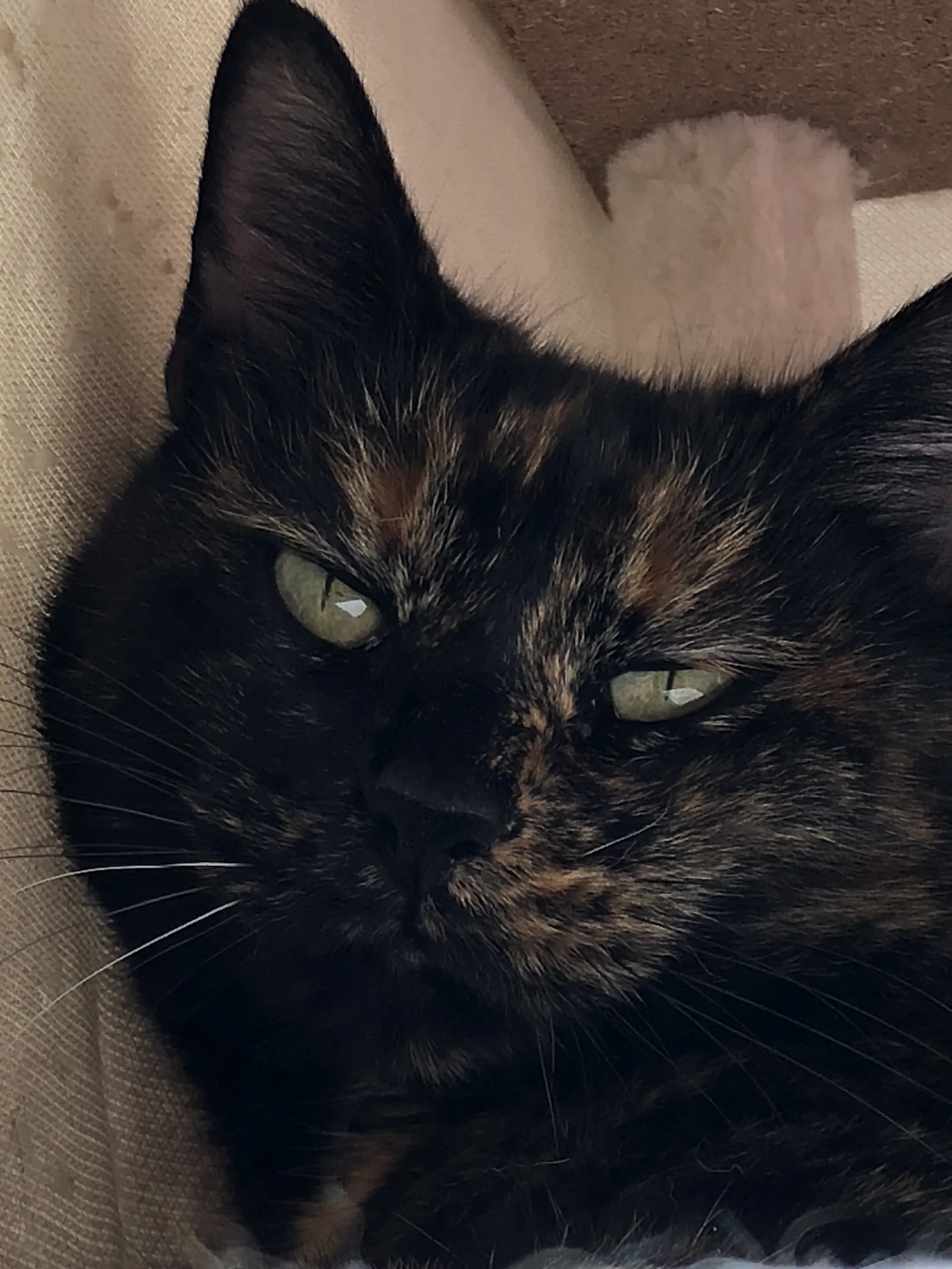
In Google Trends data on cat behaviour, "why does my cat follow me everywhere?" tops the list of why does my cat… searches. If your cat supervises you in the kitchen, escorts you to bed and sits outside the bathroom door, you're in good company.
Cats bond with their people, really
Cats have a reputation for being aloof, but research tells another story. In a 2019 Oregon State University study published in Current Biology, cats took part in a "secure base test": a few minutes in a new room with their person, a short time alone, then a reunion. About 64% of kittens and 66% of adult cats showed a secure attachment to their person: they were less stressed when their human returned and used them as a source of comfort. That's almost exactly the proportion seen in human babies (about 65%).
So when your cat follows you around, the simplest explanation is often the right one: you are their safe base.
Other reasons cats follow you
- Curiosity. You open cupboards, run water, rustle bags. For a cat, you are the most interesting thing in the house.
- Routine and food. If you usually feed them in the morning, expect an escort to the kitchen.
- Company and warmth. Many cats simply like being near their person, and your bed or lap is warm.
- Closed doors. A closed door is a problem that must be solved. The bathroom is also full of interesting things: running water, a warm floor, a captive human who sits still.
- Boredom. An under-stimulated indoor cat may follow you because you're the only entertainment available.
When following might mean something's wrong
Pay attention if the following is new or suddenly intense, especially with other changes:
- crying or meowing much more than usual, especially at night
- pacing, restlessness, or not settling
- changes in appetite, thirst or litter box habits
- distress when you leave (destroying things, soiling, excessive vocalising)
Stress, illness (for example an overactive thyroid in older cats), pain or confusion in senior cats can all make a cat clingier. A vet check is a good first step.
How to help a velcro cat
- Play every day: two or three short sessions with a wand toy help burn energy and meet hunting needs.
- Enrich the home: window perches, shelves, puzzle feeders, hiding places.
- Keep routines predictable: meals and playtime at similar times.
- Accept the escort. If your cat is healthy and happy, being followed is a compliment.
Many of our rescued cats arrive terrified of people. The day one of them follows Dalia to the kitchen for the first time is one we never forget.
Questions people ask
Why does my cat follow me to the bathroom?
Curiosity, routine and attachment. Closed doors are a puzzle for cats, and the bathroom has running water and a person who sits still — perfect for company.
Do cats really bond with their owners?
Yes. A 2019 Oregon State University study found that about two-thirds of cats show a secure attachment to their person, similar to human babies and dogs.
Is it bad if my cat follows me everywhere?
Usually not. But if the behaviour is sudden or comes with crying at night, appetite changes or litter problems, see your vet to rule out stress or illness.
How can I help a clingy cat?
Daily play, a stimulating home, predictable routines and places to climb and hide help most cats feel secure and entertained.
Sources
Stories like this one cost food, vets and time.
A monthly Patreon sponsorship keeps the next rescue possible — and you get the behind-the-scenes updates.
Keep reading
Cat behaviour explained
Why do cats love boxes so much?
Buy a cat an expensive bed and they'll sit in the box it came in. There's real science behind it: boxes help cats feel safe and less stressed. Here's why cats love boxes, and how to use that to help a shy or anxious cat.
30 Sept 2026
Cat behaviour explained
Why does my cat head-butt me? (Bunting explained)
A firm bonk of the forehead against your face or hand is one of the nicest compliments a cat can give. Here's what head-butting (bunting) means, why it's about scent and trust, and how to respond.
30 Sept 2026
Cat behaviour explained
"Why does my cat do that?" What people ask AI and Google about cats
In Spain and Poland, questions about animal behaviour make up as big a share of AI conversations as gardening, and more than skincare. Here's what the Anthropic Economic Index and Google search data reveal about cat people, and the answers to the questions they ask most.
30 Sept 2026