"Why does my cat do that?" What people ask AI and Google about cats
By Dalia · Last reviewed 30 Sept 2026
Read the story
Every day, people ask their computers the same question: why does my cat do that?
We looked at the Anthropic Economic Index. It shows what people use the AI Claude for, based on anonymised conversations.
In Spain, questions about animal behaviour make up about a quarter of one percent of all conversations. That sounds tiny. But it's as much as gardening, and more than skincare.
In Poland, one of Europe's most cat-loving countries, it's even a little higher.
And on Google? The most searched why-question about cats is: why do cats purr? Then come kneading, biting, boxes, eating grass… and "why does my cat follow me everywhere?"
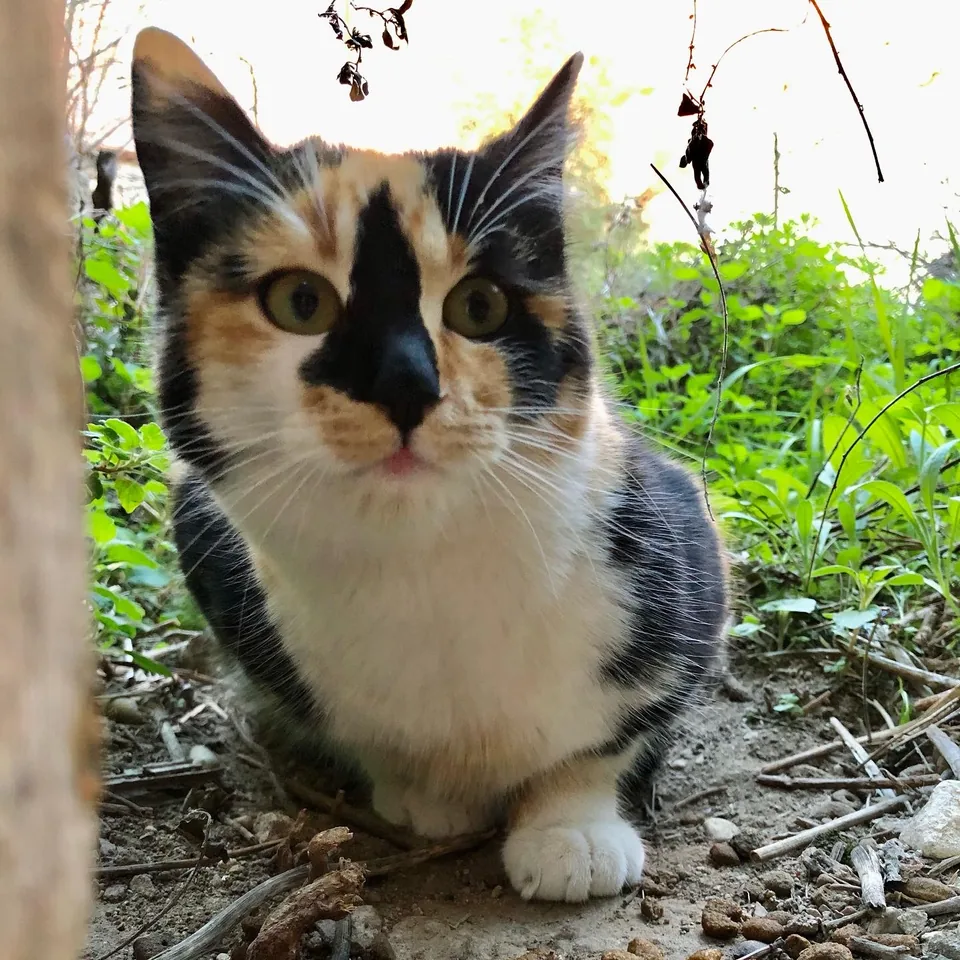
His Majesty would like to know why everyone is suddenly so interested in him.
The honest answer? Cats talk with their bodies, not with words. And we humans are still learning the language.
So we wrote a guide for each of those questions. Built on real research, and a lot of cat hair.
His Majesty has read them all. He remains… a mystery.
If you've ever typed "why does my cat…" into a search bar or an AI chat, you're in very good company. Two different data sources tell the same story: cat people are endlessly curious about what their cats are thinking.
What people ask AI
The Anthropic Economic Index shows what people use the AI assistant Claude for, based on anonymised, aggregated conversations (no individual users can be identified). One of the request topics it tracks is animal behaviour.
In the latest data (May 2026):
| Topic | Spain | Poland |
|---|---|---|
| Animal behaviour | 0.23% | 0.29% |
| Gardening | 0.22% | 0.31% |
| Skincare | 0.20% | 0.21% |
A quarter of a percent sounds tiny, but Claude is used for everything from coding to homework to business plans. Questions about why animals do what they do take up about as much space as gardening, and more than skincare, in both countries.
The topic covers all animals, not only cats. But given that Spain and Poland are the two EU countries where the most households own a cat (about 56% of Spanish households and more than 40% of Polish households own a cat, according to FEDIAF data for 2024), it's a fair guess that a lot of those questions start with "my cat".
What people ask Google
A Google Trends project with data designer Nadieh Bremer (Visual Cinnamon) looked at around 2,200 of the most common "why" questions about cats. The single most searched was "Why do cats purr?". Close behind came questions about kneading, licking, biting, and why cats love boxes, eat grass and hate water.
When people ask about their own cat, a Google Trends analysis for Meow Mix found the top "why does my cat…" searches were: follow me everywhere, lie in the litter box, head-butt me, twitch in their sleep, bite my chin, "massage" me (knead) and chirp.
Why cats leave us with so many questions
Cats communicate mostly through body language and scent, not sounds aimed at humans. A twitching tail, a slow blink, a head-butt or a sudden bite all carry meaning, but it isn't always obvious to us. Many cat behaviours also come from their wild ancestors (hunting, hiding, marking territory) and make perfect sense to a cat, even when they baffle their humans.
The answers, one guide at a time
We've answered the most-searched questions in our Cat behaviour explained series, each built on published research and veterinary sources:
- Why do cats purr?
- Why do cats knead?
- Why does my cat follow me everywhere?
- Why does my cat head-butt me?
- Why does my cat bite me?
- Why do cats love boxes?
- Why do cats eat grass?
- Why does my cat chirp at birds?
And if your question is about your cat's health rather than behaviour, read how to ask AI about your cat's health (and when to call the vet).
A note from the rescue
At Mumcat we spend our days learning the language of cats who have every reason not to trust people. Understanding why a cat does something is the first step to earning their trust. So keep asking "why". It's the best question a cat person can ask.
Questions people ask
Do people really ask AI about their cats?
Yes. In the Anthropic Economic Index, animal behaviour is its own request topic: about 0.23% of Claude conversations in Spain and 0.29% in Poland, similar to gardening and more than skincare.
What is the most searched question about cats?
Among “why” questions on Google, “Why do cats purr?” is the most searched, followed by questions about kneading, licking, biting, boxes and eating grass.
Why do cats behave so strangely?
Many cat behaviours come from their wild ancestors (hunting, hiding, marking territory) and cats communicate mostly through body language and scent, which humans can find hard to read.
What is the Anthropic Economic Index?
A research dataset from Anthropic showing what people use the AI assistant Claude for, based on anonymised and aggregated conversations. It cannot identify individual users.
Sources
Stories like this one cost food, vets and time.
A monthly Patreon sponsorship keeps the next rescue possible — and you get the behind-the-scenes updates.
Keep reading
Health basics
Asking AI about your cat's health: how to do it well (and when to call the vet)
More and more people ask AI chatbots about their cat's symptoms. Used well, AI can help you understand, prepare and ask better questions. Used badly, it can delay care. Here's how to describe symptoms clearly, the red flags that mean "vet now", and what AI should never decide.
30 Sept 2026
Cat behaviour explained
Why do cats purr? (It isn't always happiness)
Purring usually means contentment, but cats also purr when they're hungry, stressed, in pain or unwell. Here's what science says about the purr, the hidden "cry" in a hungry cat's purr, and how to tell a happy purr from a worried one.
30 Sept 2026
Cat behaviour explained
Why do cats knead? The "making biscuits" mystery explained
Cats knead soft things (and people) with a rhythmic push of their paws. It starts in kittenhood and usually means comfort and trust. Here's why cats knead, why some drool or suckle while doing it, and how to cope with the claws.
30 Sept 2026