Cat thyroid problems: yowling at night, eating more, losing weight
By Dalia · Last reviewed 30 Sept 2026
Read the story
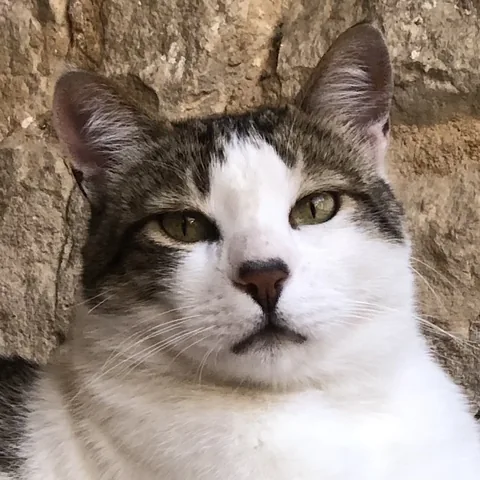
Three in the morning. His Majesty is performing. Again. Loud. Long. And very, very sincere.
Night-time yowling in an older cat isn't always drama. One common reason is an overactive thyroid: hyperthyroidism.
It's the most common hormone problem in older cats. Around one in ten cats over the age of ten has it.
A small, usually harmless growth in the thyroid gland makes too much hormone, and the whole body goes into overdrive.
So watch for this: eating more than ever, but losing weight. Drinking and peeing more. Restless, even hyper. Vomiting. A scruffy coat. And yes… yowling. Especially at night.
Left untreated, it strains the heart, raises blood pressure, and can even damage the eyes.
The good news? A simple blood test can find it. And there are four ways to treat it: daily tablets, or a gel for the ear. A special diet. Surgery. Or a single injection of radioactive iodine, which cures most cats.
Your vet will also check the kidneys, because treating the thyroid can reveal a kidney problem that was hiding.
With treatment, most cats go back to their old selves. His Majesty has put on weight, sleeps through the night… and has cancelled his world tour.
It's 3 a.m. and your older cat is wailing in the hallway. During the day they eat everything in sight, yet they're getting thinner. It's tempting to put it down to old age or bad manners. But these are classic signs of an overactive thyroid (hyperthyroidism), and it's one of the most treatable problems in older cats.
What is hyperthyroidism?
The thyroid glands sit in the neck and produce hormones that control the body's metabolism. In hyperthyroidism, the glands make too much hormone, almost always because of a benign (non-cancerous) growth. The body goes into overdrive: the heart beats faster, energy is burnt too quickly, and many organs are affected.
It is the most common hormone (endocrine) disease in cats, and mostly affects cats over 8 to 10 years old. It's reported in around 1 in 10 cats older than ten.
The signs
Signs usually start subtly and get worse over weeks or months:
- weight loss despite eating more, which is the most common sign
- a huge appetite, begging, stealing food
- drinking and peeing more
- restlessness, hyperactivity or anxiety
- vomiting or diarrhoea
- a scruffy, greasy or matted coat
- a fast heart rate, sometimes faster breathing
- more vocalising: loud meowing or yowling, often at night
Why the night-time yowling?
Many owners first notice the noise: an older cat who suddenly yowls in the night, often loudly and persistently. It's thought to come from the restlessness and "overdrive" the extra hormone causes. But yowling in an older cat can have other causes too: high blood pressure, cognitive changes (a form of feline dementia), hearing loss, pain, or simply wanting attention. So it's always worth a vet check rather than guessing.
Why it matters: the complications
Left untreated, hyperthyroidism can lead to:
- heart disease, because the heart is working too hard for too long;
- high blood pressure, which can damage the eyes (including sudden blindness from retinal detachment), the kidneys and the brain;
- severe weight and muscle loss.
The good news: treated early, most of these can be prevented.
How it's diagnosed
Usually with a simple blood test measuring thyroid hormone (total T4). In some cats, especially early cases or cats with other illnesses, the result can be borderline and your vet may run extra tests (such as free T4). Your vet will usually also check blood pressure, the kidneys and the heart.
Why the kidneys matter: an overactive thyroid increases blood flow through the kidneys and can hide kidney disease. When the thyroid is brought under control, a kidney problem that was already there may appear. That's why vets monitor kidney values before and during treatment, and often start with tablets to see how the kidneys respond.
The four treatment options
| Treatment | How it works | Good to know |
|---|---|---|
| Tablets (methimazole / thiamazole) | Blocks thyroid hormone production | Given daily for life. Also available as a gel rubbed on the inside of the ear, for cats who won't take pills. Needs regular blood tests |
| Iodine-restricted diet | The thyroid needs iodine to make hormone | The cat must eat only this food, which is difficult in multi-cat homes or for cats who go outdoors |
| Surgery | Removes the affected thyroid gland(s) | Needs a general anaesthetic, which carries more risk in older cats with heart or kidney problems |
| Radioactive iodine (I-131) | A single injection destroys the abnormal thyroid tissue | Cures more than 90% of cats with one treatment. Only available at specialist centres, and the cat stays in hospital for some days while it's temporarily radioactive |
Your vet will help you choose based on your cat's age, other health problems, temperament and what's available where you live. Many cats start on tablets first, even when another treatment is planned.
Living with a hyperthyroid cat
- Give medication exactly as prescribed, and keep the check-ups: blood tests tell your vet whether the dose is right.
- Weigh your cat regularly. Weight gain back to normal is a great sign.
- Watch for side effects of tablets (loss of appetite, vomiting, itchy face) and tell your vet.
- Wash your hands after giving tablets or ear gel.
With treatment, most cats go back to their old selves: calmer, a healthier weight, a better coat, and, in many homes, quieter nights. The outlook for treated cats is good.
If your older cat is losing weight or yowling at night, book a vet check. It's one of the most rewarding problems to diagnose.
Questions people ask
Why is my old cat yowling at night?
One common reason is an overactive thyroid (hyperthyroidism), which makes cats restless and vocal. Other causes include high blood pressure, cognitive changes, hearing loss or pain. A vet check with a blood test is the best first step.
Why is my cat eating so much but losing weight?
Weight loss despite a bigger appetite is the most common sign of hyperthyroidism in older cats. It can also be caused by diabetes or gut problems, so see your vet.
How common is hyperthyroidism in cats?
It is the most common hormone disease in cats, reported in around 1 in 10 cats older than ten years.
Can hyperthyroidism in cats be cured?
Yes. Radioactive iodine cures more than 90% of cats with a single treatment, and surgery can also be curative. Tablets and diet control the disease but do not cure it.
Why does my vet check the kidneys?
An overactive thyroid can hide kidney disease. When the thyroid is controlled, a hidden kidney problem may appear, so vets monitor kidney values during treatment.
Sources
- Hyperthyroidism in cats — International Cat Care
- Feline hyperthyroidism — Cornell University College of Veterinary Medicine
- Hyperthyroidism in cats — two FDA-approved drugs — U.S. FDA
- Treating feline hyperthyroidism — BluePearl Pet Hospital
- Feline hyperthyroid treatment information — University of Missouri Veterinary Health Center
- Hyperthyroidism in cats — Texas A&M Pet Talk
Stories like this one cost food, vets and time.
A monthly Patreon sponsorship keeps the next rescue possible — and you get the behind-the-scenes updates.
Keep reading
Seniors and special needs
Arthritis in cats: the signs, and what really helps
Slowing down isn't always "just old age". Arthritis is very common in older cats and painful, but cats hide it well. Here are the subtle signs to watch for, the treatments your vet can offer, and easy changes at home that make a big difference.
29 Sept 2026
Seniors and special needs
How old is my cat in human years? (Cat age chart)
A one-year-old cat is roughly a 15-year-old teenager, and a 10-year-old cat is in their mid-fifties. Here's the vet-accepted formula, a full cat age chart, the life stages, and what each stage means for your cat's care.
30 Sept 2026
Health basics
Why is my cat not using the litter box?
A cat peeing or pooping outside the litter box isn't being spiteful. It's trying to tell you something: a medical problem, a box it doesn't like, or stress. Here's how to find the cause, the one emergency sign you must know, and how to fix it.
30 Sept 2026