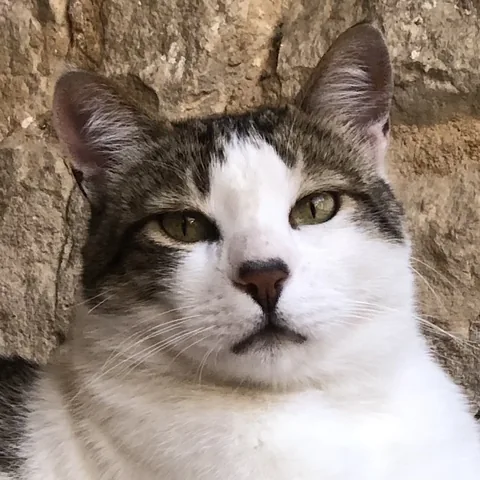
Hi, I am Marco, I am a sensitive yet curious guy! 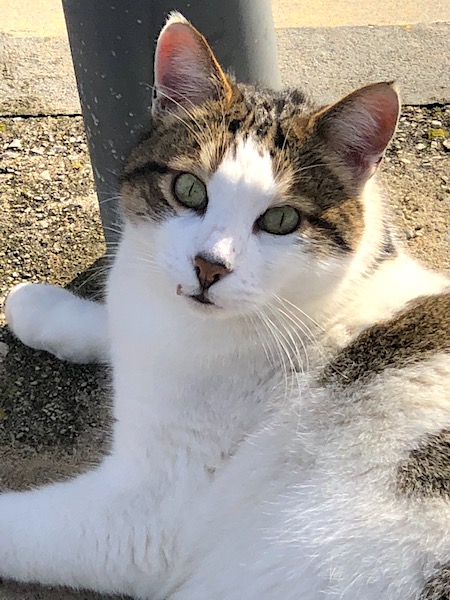
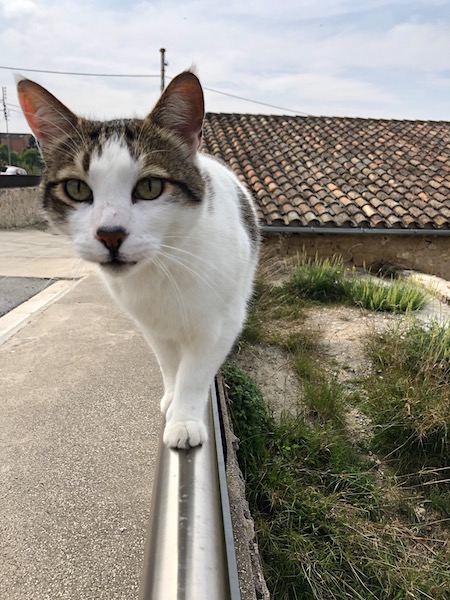
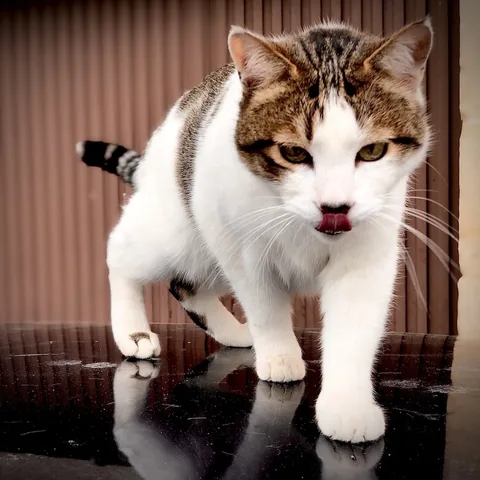
Marco
Male · Senior (about 9 years) · Tabby
If Marco would join a resident cat, map out the first meeting and the weeks after.
favourite thing: I love to wander and why not hunt/
Health checklist
- Microchipped
- Vaccinated — not yet
- Spayed / neutered
- Dewormed
- Tested & health-checked
Marco's story
Marco is a bit of a sensible guy. He is an outdoors but maybe in single cat household could adapt to a tiny protected outdoors. He is now a senior cat who had kidney issues back. in 2018 when I tried to keep him with the others with no option to de-stress somewhere protected from more confrontational cats.
And so I had to let him lead his life as he wished after he was restored back to a 100% healthy hunter behaviour.
Since he had no issues with his kidney. He is an extremely gourmet type of cat. My role with him consists of giving enough hydrated meal and of course the right amount of proteins for an appropriately balanced diet.
He is a cuddely guy. He will purr and can held in the arms. He craves attention and I think he needs someone pretty soon. I have that someone is a kind hearted person who can understand a sensible big cat.
on camera
Watch Marco
Read the story
Three in the morning. His Majesty is performing. Again. Loud. Long. And very, very sincere.
Night-time yowling in an older cat isn't always drama. One common reason is an overactive thyroid: hyperthyroidism.
It's the most common hormone problem in older cats. Around one in ten cats over the age of ten has it.
A small, usually harmless growth in the thyroid gland makes too much hormone, and the whole body goes into overdrive.
So watch for this: eating more than ever, but losing weight. Drinking and peeing more. Restless, even hyper. Vomiting. A scruffy coat. And yes… yowling. Especially at night.
Left untreated, it strains the heart, raises blood pressure, and can even damage the eyes.
The good news? A simple blood test can find it. And there are four ways to treat it: daily tablets, or a gel for the ear. A special diet. Surgery. Or a single injection of radioactive iodine, which cures most cats.
Your vet will also check the kidneys, because treating the thyroid can reveal a kidney problem that was hiding.
With treatment, most cats go back to their old selves. His Majesty has put on weight, sleeps through the night… and has cancelled his world tour.
Read the story
His Majesty used to rule from the top of the wardrobe. Lately, he just… looks at it.
Everyone says: he's just getting old. But slowing down isn't only age. It can be arthritis. And arthritis hurts.
It's incredibly common. Studies suggest most cats over twelve have some. Yet many are never diagnosed, because cats are experts at hiding pain.
So watch for small changes: not jumping up, or jumping lower. Hesitating on the stairs. Accidents near the litter box. A scruffy, ungroomed back. Sleeping more, playing less. Grumpy when touched.
If you notice any of these, see your vet. There's real help today: pain relief made for cats, and even a monthly injection.
But never give human painkillers. For cats, they can be deadly.
At home, make life easier. Add steps or a ramp to favourite spots. Use a litter box with one low side. Keep food, water and litter on every floor. Offer warm, soft beds, and gentle play, little and often.
A healthy weight helps the joints too.
His Majesty now rules the wardrobe again. With a staircase. Installed by his staff.
cat guides