Why do cats purr? (It isn't always happiness)
By Dalia · Last reviewed 30 Sept 2026
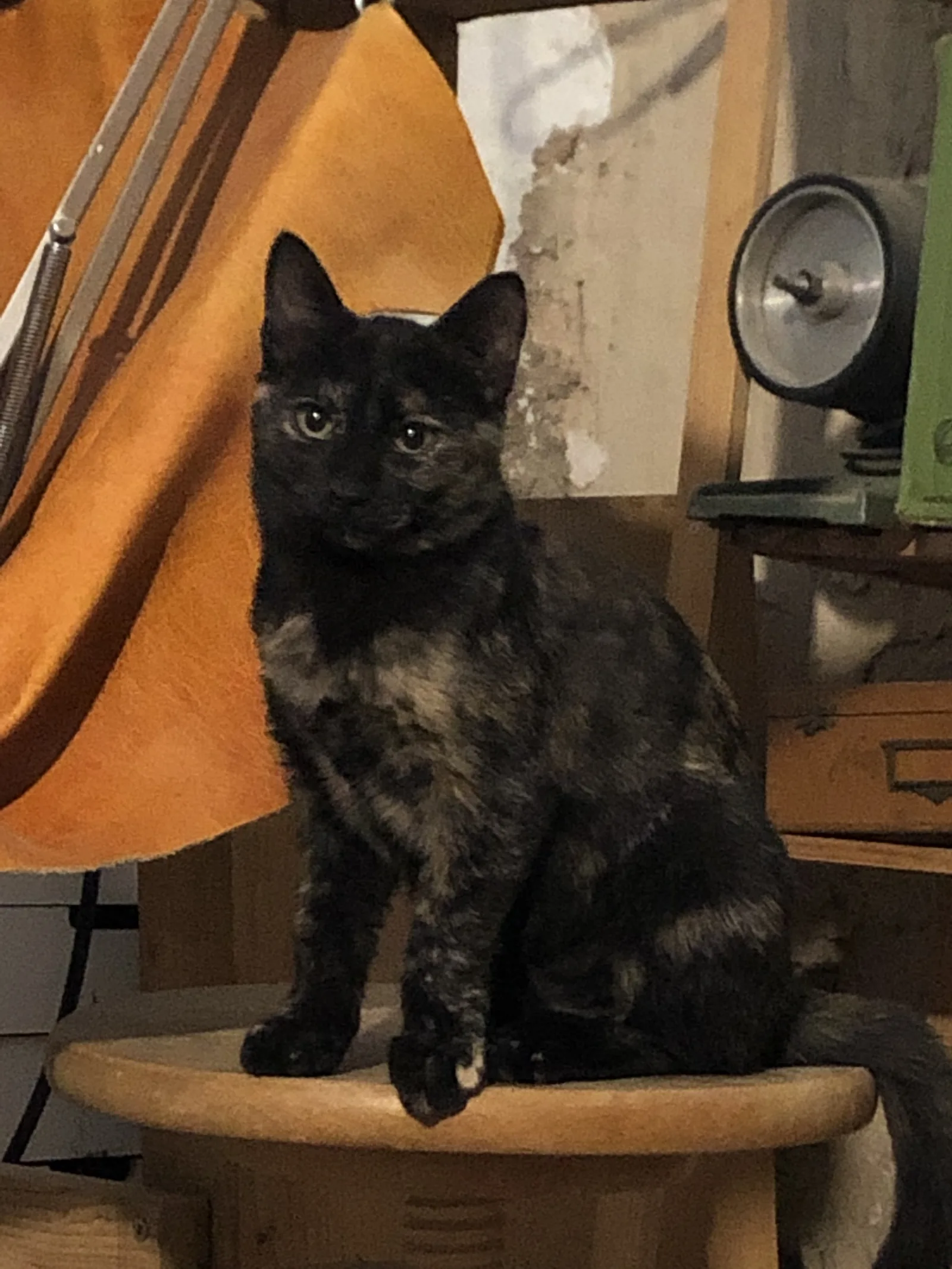
"Why do cats purr?" is the most searched why question about cats on Google. The short answer: usually because they feel good. The longer answer is more interesting, because a purr can mean several different things.
How cats purr
Purring is produced in the voice box (larynx). Muscles around the vocal folds twitch very rapidly, opening and closing the airway, and the vibration happens both when the cat breathes in and when it breathes out. That's why a purr can go on and on without a pause. Kittens can purr when they're only a few days old, which helps them communicate with their mother while nursing.
The happy purr
Most of the time, purring means a relaxed, content cat: curled up on a lap, being stroked in a favourite spot, dozing in the sun. You'll usually see the rest of the "happy package" too: soft, half-closed eyes, a relaxed body, maybe slow blinks and kneading.
The "feed me" purr: a cry hidden inside
In 2009, researchers at the University of Sussex recorded cats purring in two situations: while asking their owners for food, and while relaxing. When they played the recordings to people (including people who had never owned a cat), listeners rated the food-asking purrs as more urgent and less pleasant.
The reason: hidden inside the normal low rumble was a higher-pitched sound, similar to a cry or meow, and similar in frequency to a human baby's cry. When the researchers removed that component, the purrs no longer sounded urgent. In other words, your cat may have learnt exactly which purr gets you out of bed at 6 a.m.
Purring when stressed, unwell or in pain
Cats also purr in situations that are anything but happy: at the vet, when frightened, when injured or very ill, and even while giving birth. In these cases purring seems to work as self-soothing, a bit like humming to yourself when you're nervous. It's one reason cats are so good at hiding pain: a purring cat doesn't always mean a comfortable cat.
How to tell the difference
Look at the whole picture, not just the sound:
- Content purr: relaxed body, soft eyes, normal appetite, seeking contact.
- Worried purr: hiding, hunched posture, not eating, reluctant to move, squinting, flinching when touched, or breathing faster than usual.
When to see a vet
A purring cat that is also hiding, not eating, drooling, breathing with effort or suddenly less active needs a vet check. Purring doesn't rule out pain or illness. For breathing problems, see our guide to asthma in cats.
In our rescue, many of the shyest street cats purr for the first time weeks or months after arriving. When it finally happens, it's the best sound in the world.
Questions people ask
Do cats only purr when they are happy?
No. Most purring means contentment, but cats also purr when stressed, frightened, in pain or unwell, probably to soothe themselves. Always look at the cat’s body language and behaviour too.
Why does my cat purr so loudly when it wants food?
Research from the University of Sussex found that cats asking for food add a higher-pitched, cry-like sound to their purr, which people find more urgent and harder to ignore.
Should I worry if my cat purrs but seems unwell?
Yes. A cat that purrs but is hiding, not eating, breathing oddly or less active should be seen by a vet. Purring does not rule out pain.
How do cats purr?
Muscles in the voice box twitch very rapidly, opening and closing the airway as the cat breathes in and out, which creates the purring vibration.
Sources
Stories like this one cost food, vets and time.
A monthly Patreon sponsorship keeps the next rescue possible — and you get the behind-the-scenes updates.
Keep reading
Cat behaviour explained
Why do cats knead? The "making biscuits" mystery explained
Cats knead soft things (and people) with a rhythmic push of their paws. It starts in kittenhood and usually means comfort and trust. Here's why cats knead, why some drool or suckle while doing it, and how to cope with the claws.
30 Sept 2026
Cat behaviour explained
Why does my cat head-butt me? (Bunting explained)
A firm bonk of the forehead against your face or hand is one of the nicest compliments a cat can give. Here's what head-butting (bunting) means, why it's about scent and trust, and how to respond.
30 Sept 2026
Cat behaviour explained
"Why does my cat do that?" What people ask AI and Google about cats
In Spain and Poland, questions about animal behaviour make up as big a share of AI conversations as gardening, and more than skincare. Here's what the Anthropic Economic Index and Google search data reveal about cat people, and the answers to the questions they ask most.
30 Sept 2026