Why do cats knead? The "making biscuits" mystery explained
By Dalia · Last reviewed 30 Sept 2026
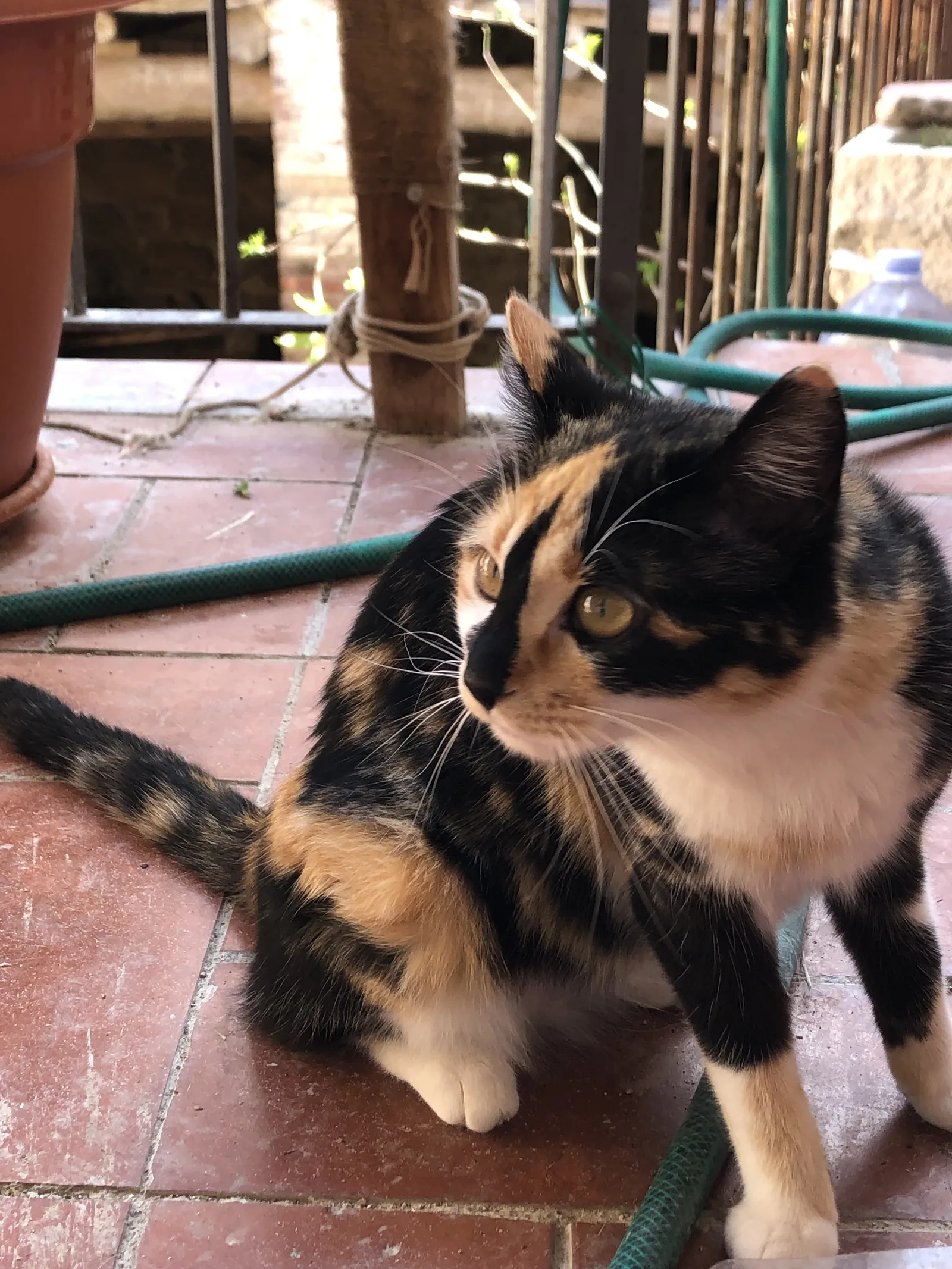
Push left, push right, push left: many cats "make biscuits" on blankets, cushions and laps, often purring with half-closed eyes. It's one of the most searched cat behaviours, and one of the sweetest.
Where kneading comes from
Kneading starts in the first days of life. Newborn kittens push their paws against their mother's belly while nursing, which helps the milk flow. The movement becomes linked with warmth, food, safety and comfort. Many cats keep the habit for life, especially when they feel relaxed and secure.
Why adult cats knead
- Comfort and contentment. Most kneading happens when a cat is settling down: on a soft blanket, your lap, a fluffy jumper.
- Making a bed. Wild ancestors may have trampled grass and leaves to make a comfortable, safe resting spot. Circling and kneading before lying down may be an echo of that.
- Marking you as "theirs". Cats have scent glands in their paws. Kneading leaves a scent that says "this is familiar, this is mine", the same idea as rubbing their face against you.
- Stretching. A good knead also stretches the muscles of the front legs and shoulders.
- Asking for attention. Some cats knead to settle in for a cuddle, or to politely (or not so politely) remind you it's dinner time.
Drooling, suckling and kneading
Some cats drool, suckle on a blanket or dribble a little while kneading. This is usually just deep relaxation, another echo of kittenhood. It's often said to be more common in cats weaned very young, which is frequently the case for street kittens. Unless it becomes obsessive (for example chewing and swallowing fabric), it's harmless.
When the claws come out
Kneading with claws on bare legs is less relaxing for you. Kind ways to cope:
- Keep a thick blanket or cushion on your lap for kneading sessions.
- Trim the very tips of the claws every few weeks.
- Gently shift your cat into a more comfortable position, or redirect the kneading onto a soft blanket beside you.
Never punish or push your cat away harshly: kneading means your cat feels safe with you, and punishment can damage that trust. And never consider declawing (see why declawing is never the answer).
When to check with a vet
Kneading itself is normal. Talk to your vet if your cat suddenly starts sucking or chewing fabric obsessively and swallowing it, which can be dangerous, or if kneading is combined with other behaviour changes.
At Mumcat, the day a former street cat kneads a blanket for the first time is a small celebration: it means they finally feel at home.
Questions people ask
Why does my cat knead me?
Kneading comes from kittenhood nursing and usually means your cat feels relaxed, safe and content with you. Scent glands in the paws also mark you as familiar.
Why does my cat drool when kneading?
It is usually a sign of deep relaxation, linked to nursing as a kitten. It is harmless unless your cat starts chewing and swallowing fabric.
How do I stop kneading from hurting?
Place a thick blanket on your lap, trim the tips of the claws every few weeks and gently redirect the kneading. Never punish it.
Do all cats knead?
No. Many do, but some cats never knead, and that is normal too.
Sources
Stories like this one cost food, vets and time.
A monthly Patreon sponsorship keeps the next rescue possible — and you get the behind-the-scenes updates.
Keep reading
Cat behaviour explained
Why do cats purr? (It isn't always happiness)
Purring usually means contentment, but cats also purr when they're hungry, stressed, in pain or unwell. Here's what science says about the purr, the hidden "cry" in a hungry cat's purr, and how to tell a happy purr from a worried one.
30 Sept 2026
Cat behaviour explained
Why does my cat head-butt me? (Bunting explained)
A firm bonk of the forehead against your face or hand is one of the nicest compliments a cat can give. Here's what head-butting (bunting) means, why it's about scent and trust, and how to respond.
30 Sept 2026
Cat behaviour explained
"Why does my cat do that?" What people ask AI and Google about cats
In Spain and Poland, questions about animal behaviour make up as big a share of AI conversations as gardening, and more than skincare. Here's what the Anthropic Economic Index and Google search data reveal about cat people, and the answers to the questions they ask most.
30 Sept 2026