Signs your cat has asthma (and why it isn't a hairball)
By Dalia · Last reviewed 29 Sept 2026
Read the story
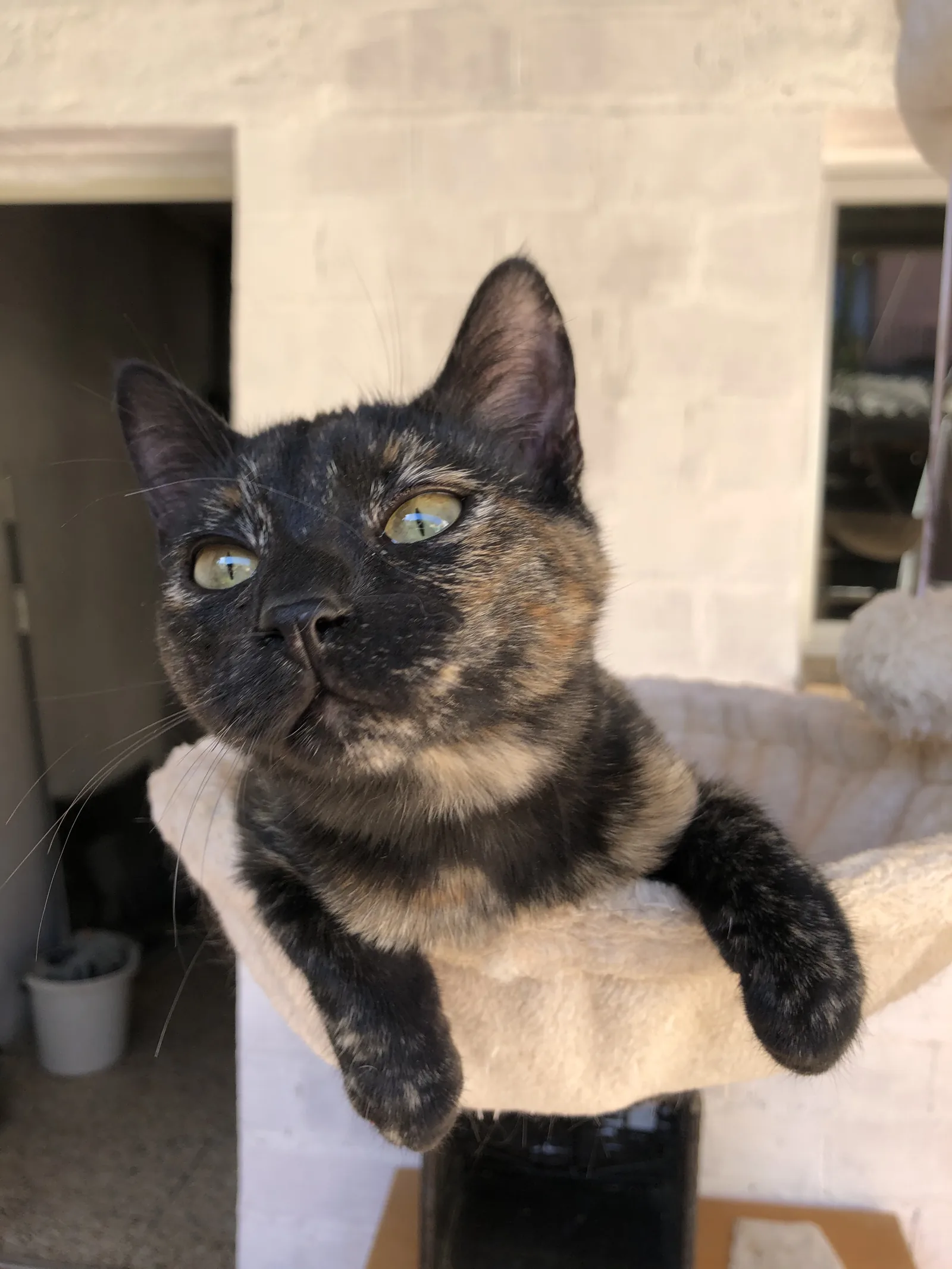
His Majesty has a cough. Everyone says: it's a hairball. Everyone is sometimes wrong.
Asthma is surprisingly common in cats. The airways get inflamed and narrow, and breathing becomes hard work.
Here's the trick: a coughing cat crouches low, with the neck stretched out… and nothing comes up. No hairball. Just a cough.
Other signs? Wheezing. Fast breathing, even while resting. Getting out of breath quickly after play.
And this one matters most. If your cat breathes with their mouth open, or their chest heaves with every breath, it's an emergency. Go to the vet now.
Common triggers include dust, cigarette smoke, air fresheners, perfume sprays, scented litter and pollen. His Majesty would like a word about your candle collection.
Top tip: film a coughing fit on your phone. It helps your vet enormously.
The good news? With the right treatment, most asthmatic cats live happy lives. That can mean daily medicine, and sometimes an inhaler with a tiny, cat-sized mask. Yes, really.
Asthma is usually lifelong, so never stop the treatment without asking your vet.
His Majesty now breathes easy. And still blames the candle.
Most cat people have heard the sound: a crouched cat, neck stretched out, hacking away. "Hairball," everyone says. Often it is. But sometimes nothing comes up, and then it may not be a hairball at all. It may be asthma. Watch the short film above, then read on.
What is feline asthma?
Asthma is a long-term condition in which the small airways in the lungs become inflamed and narrow, so breathing becomes hard work. It is usually set off by something the cat breathes in, such as dust, smoke or pollen. It is estimated to affect between 1 and 5% of cats, which makes it far from rare.
Hairball or cough? How to tell the difference
This is the key part, because the two can look almost identical.
- Both make the cat crouch low with the neck stretched out, and both can end with gagging or retching.
- A hairball usually ends with something on the floor: a sausage of fur, often with food or liquid.
- An asthma cough usually ends with nothing. The cat coughs, maybe gags, and that's it.
If your cat often "tries to bring up a hairball" but nothing comes out, mention it to your vet.
Top tip: film it. Coughing fits rarely happen at the vet's. A short video on your phone shows your vet exactly what is going on, and it's one of the most useful things you can bring to the appointment.
Other warning signs
- Wheezing: a whistling sound when your cat breathes.
- Fast breathing at rest. Count your cat's breaths while they are asleep or resting quietly (one rise and fall of the chest is one breath). If it is regularly over 40 breaths a minute, call your vet.
- Effortful breathing: the belly or sides work hard with each breath.
- Tiring quickly: out of breath after a short play session.
Signs can come and go. Many asthmatic cats seem completely normal between episodes.
Emergency signs: go to the vet now
An asthma attack can be life-threatening. Go to your vet or the nearest emergency clinic straight away if your cat:
- breathes with their mouth open (cats normally breathe through the nose)
- has a chest or belly heaving fast with every breath
- seems weak, collapses, or has pale or bluish gums
Keep your cat calm, handle them as little as possible, and call ahead so the clinic is ready.
Common triggers at home
Every cat is different, but these often make things worse:
- dust (including dusty cat litter)
- cigarette, fireplace and barbecue smoke
- air fresheners, plug-in scents, perfumes and cleaning sprays
- scented litter
- candles and incense
- pollen and mould
Useful changes: switch to an unscented, low-dust litter; never smoke indoors; skip sprays, candles and incense; keep the house clean and well aired; and keep a simple diary of when attacks happen (date, time, what was going on). Patterns often reveal the trigger. His Majesty would like a word about your candle collection.
How vets diagnose asthma
There is no single test for feline asthma. Your vet will listen to your cat's chest, ask about the coughing (your video helps here), and usually take chest X-rays and blood tests. Sometimes they sample fluid from the airways. Just as important, they will rule out other conditions that can look similar, such as heart disease, lungworm and other parasites, or infections.
Treatment: what to expect
The good news: many cats respond well to treatment and go on to live normal, comfortable lives. Treatment usually includes:
- Anti-inflammatory medicine (usually a corticosteroid) to calm the airways, given as tablets, liquid, injection or through an inhaler.
- Bronchodilators, which open the airways, sometimes as a "rescue" inhaler for bad days.
- Inhalers for cats. Yes, they exist: the medicine goes into a spacer tube with a small mask that fits over your cat's nose and mouth. Most cats need slow, gentle training with treats to accept it, but many cope very well.
Asthma is usually lifelong. Even when your cat seems perfectly well, don't stop or reduce the treatment without talking to your vet, because it can come back.
Living well with an asthmatic cat
- Give medicines exactly as prescribed, and keep follow-up appointments.
- Keep the home low in dust, smoke and perfume.
- Watch the breathing rate at rest and note any changes.
- Know the emergency signs, and where your nearest 24-hour clinic is.
With the right care, an asthmatic cat can breathe easy. And yes, it's fine to blame the candle.
Questions people ask
How do I know if my cat is coughing or bringing up a hairball?
Both look similar: crouched low, neck stretched out. A hairball usually ends with something coming up. An asthma cough usually ends with nothing. If it happens often and nothing comes up, film it and show your vet.
What is a normal breathing rate for a cat at rest?
Count breaths while your cat is asleep or resting quietly. If it is regularly over 40 breaths a minute, or your cat is working hard to breathe, contact your vet.
Is open-mouth breathing in cats an emergency?
Yes. Cats normally breathe through their nose. Open-mouth breathing, a heaving chest, weakness or pale or bluish gums mean you should go to a vet or emergency clinic immediately.
Can feline asthma be cured?
Usually not, but it can be managed. Most cats do well on daily medicine and with fewer triggers at home. Never stop the treatment without asking your vet, even if your cat seems fine.
Will my cat really accept an inhaler?
Many do, with patience. Cat inhalers use a spacer and a small face mask, and cats are trained slowly with treats and short sessions. Your vet can show you how.
Sources
Stories like this one cost food, vets and time.
A monthly Patreon sponsorship keeps the next rescue possible — and you get the behind-the-scenes updates.
Keep reading
Everyday care
Why you shouldn't skip brushing your cat
Cats groom themselves for hours, so why brush them? Because brushing means fewer hairballs, no painful mats, and a free weekly health check. Here is how often to brush, how to do it without a fight, and what never to do with a mat.
29 Sept 2026
Everyday care
10 plants that can poison a cat (and the one that is deadliest)
Some of the most common garden and houseplants in Spain are dangerous for cats, and lilies top the list: even pollen or vase water can cause kidney failure. Here are the ten to know, the warning signs, and cat-safe plants to grow instead.
29 Sept 2026
Health basics
Cat thyroid problems: yowling at night, eating more, losing weight
An older cat who suddenly yowls at night, eats like never before and still loses weight may have an overactive thyroid. Hyperthyroidism is the most common hormone disease in older cats, and it's very treatable. Here are the signs, how it's diagnosed, and the four treatment options.
30 Sept 2026