10 plants that can poison a cat (and the one that is deadliest)
By Dalia · Last reviewed 29 Sept 2026
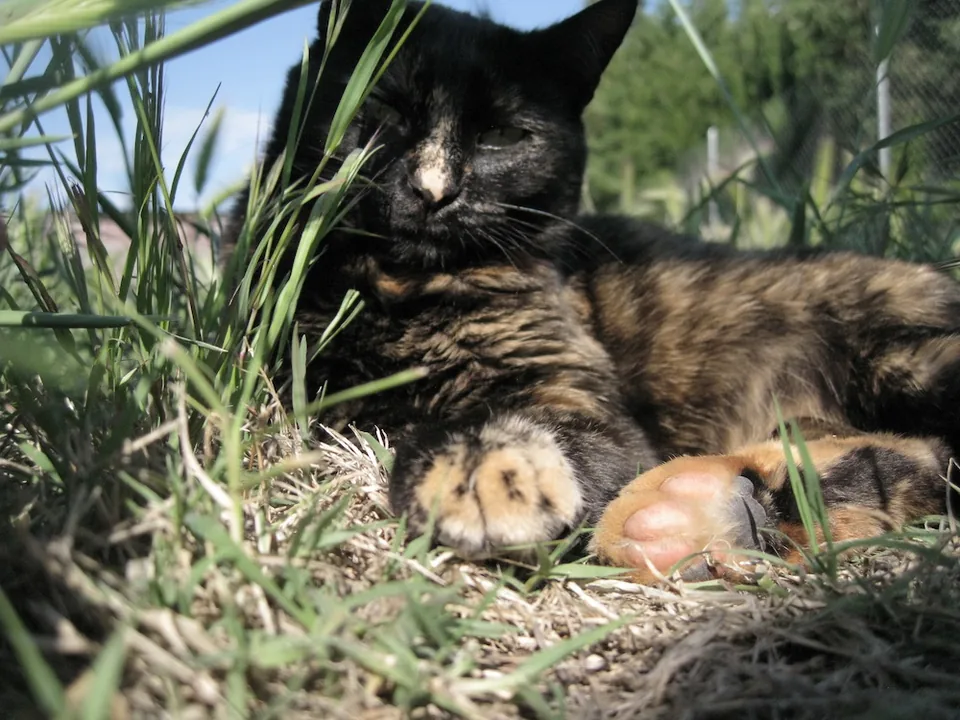
Read the story
His Majesty loves a garden. Sadly, some gardens do not love him back. Here are ten plants that can seriously poison a cat.
Ten: kalanchoe. A cheerful houseplant that can upset the stomach, and in larger amounts, the heart.
Nine: tulips, hyacinths and daffodils. Especially the bulbs. Digging is not a hobby, Your Majesty.
Eight: azaleas and rhododendrons. Pretty. Toxic. Next.
Seven: autumn crocus. It can damage the gut, the liver and the kidneys.
Six: yew. Found in hedges and parks. Its leaves and seeds can stop a heart.
Five: lily of the valley. Tiny bells. Big trouble for the heart.
Four: foxglove. Beautiful spires, and one of the most toxic plants for pets.
Three: sago palm. Very popular in Mediterranean gardens. It attacks the liver.
Two: oleander. It lines half the streets in Spain, and every part of it is poisonous.
And number one: lilies. For cats, the most dangerous flower of all. A nibble of a leaf, a little pollen licked off the fur, even water from the vase, can cause kidney failure.
If you think your cat has chewed or touched any of these, don't wait for symptoms. Go to the vet immediately, and take the plant with you.
Want some greenery? Try cat-safe plants, like spider plants and Boston ferns. His Majesty approves. Mostly for napping.
Cats nibble plants. Some do it out of curiosity, some out of boredom, some because a leaf moved and clearly deserved it. Most plants are harmless, but a few are genuinely dangerous, and some of the most common ones in Spanish streets and gardens are on that list. Watch the short film above, then use this guide to check your home, balcony and garden.
Number one: lilies, the deadliest flower for cats
If you remember only one thing, remember this: lilies and cats should never share a home.
True lilies (Lilium: Easter, Asiatic, Oriental, stargazer and tiger lilies) and daylilies (Hemerocallis) are extremely toxic to cats. Every part of the plant is dangerous: petals, leaves, stem, pollen, and even the water in the vase. A cat can be poisoned just by licking pollen off their fur, and eating less than a single leaf can cause kidney failure within a few days.
- Pollen-free lilies are not safe. The whole plant is toxic, not just the pollen.
- Speed is everything. Treatment works best when it starts within hours, long before the cat looks ill.
- Check bouquets. Lilies are very common in shop-bought flowers and gifts. If someone gives you lilies, they go to a cat-free home.
Other plants with "lily" in their name (peace lily, calla lily) don't cause kidney failure, but they can irritate the mouth and stomach. Lily of the valley is a different story entirely (see below).
Nine more plants to keep away from cats
Oleander
Oleander (Nerium oleander) lines streets, roundabouts and gardens all over Spain. Every part of it is poisonous. It contains cardiac glycosides, substances that disturb the heart's rhythm, and it can cause severe vomiting, a slow heartbeat and death. If your cat goes outdoors, know where the nearest oleanders are.
Sago palm
The sago palm (Cycas revoluta) is a favourite in Mediterranean gardens and on terraces. It isn't a real palm, and every part is toxic, especially the seeds. It attacks the liver and can be fatal even with treatment.
Foxglove
Tall spires of purple, pink or white bells. Foxglove contains powerful heart toxins and is considered one of the most toxic plants of its kind.
Lily of the valley
Pretty white bells, popular in spring bouquets and wedding flowers, and dangerous: it contains heart toxins that can cause vomiting, a slow heartbeat, severe heart rhythm problems and seizures.
Yew
A common evergreen for hedges, parks and churchyards. The leaves and the seed inside the red berry are toxic and can cause heart failure.
Autumn crocus
This late-flowering bulb can cause severe vomiting, bleeding in the gut, liver and kidney damage and breathing failure. Don't confuse it with harmless spring crocuses: if you're not sure which you have, keep it away from your cat.
Azaleas and rhododendrons
Beautiful, popular, and toxic: they can cause drooling, vomiting, diarrhoea, weakness and heart problems.
Tulips, hyacinths and daffodils
The flowers are a risk, but the bulbs are the most toxic part. They can cause severe vomiting, diarrhoea and abdominal pain, and daffodils can also affect the heart. Keep bulbs out of reach, and watch cats who love to dig.
Kalanchoe
A cheerful, very common houseplant with small, bright flowers. It usually causes stomach upset, but larger amounts can affect the heart.
Signs that your cat may have been poisoned
Signs depend on the plant, but can include:
- drooling, pawing at the mouth, vomiting or diarrhoea
- not eating, hiding, unusual tiredness or weakness
- drinking and peeing more, or much less (lilies)
- a very slow or irregular heartbeat, wobbliness, tremors or seizures (heart-toxic plants)
Some cats look completely normal at first. With lilies, oleander, sago palm, foxglove, lily of the valley and yew, never wait for symptoms.
What to do right away
- Go to your vet or the nearest 24-hour emergency clinic immediately.
- Take the plant with you, or at least a clear photo and the plant label. Identifying it correctly saves time.
- Tell the vet what your cat ate or touched, how much, and when.
- If there is lily pollen on your cat's fur, stop them grooming it off and tell your vet.
- Don't try to make your cat vomit at home unless your vet tells you to.
Cat-safe plants to grow instead
You don't have to live without greenery. These popular plants are listed as non-toxic to cats by the ASPCA:
- Spider plant (Chlorophytum comosum), which many cats adore
- Boston fern (Nephrolepis exaltata). Careful: asparagus fern is not a real fern, and it is toxic
- Areca palm (Dypsis lutescens) and parlour palm
- Calathea (prayer plant)
- Cat grass, grown especially for nibbling
"Non-toxic" means not poisonous, not that it's food. A cat who eats a whole fern may still vomit. And always check the botanical name on the label, because common names can be misleading.
His Majesty has tested the Boston fern personally. Verdict: excellent for napping.
Questions people ask
Are all lilies dangerous to cats?
True lilies (Lilium) and daylilies (Hemerocallis) can cause fatal kidney failure, even from pollen or vase water. Peace lilies and calla lilies don’t damage the kidneys but can irritate the mouth and stomach. Lily of the valley is not a true lily, but it contains heart toxins and is very dangerous.
Are pollen-free lilies safe for cats?
No. Every part of the lily is toxic, not only the pollen, so pollen-free lilies are still dangerous.
My cat goes outside and there is oleander in the street. What should I do?
Most cats don’t eat oleander, but every part of it is poisonous, so know where it grows near you. If you see your cat chewing it, or notice vomiting, drooling or weakness, go to the vet straight away.
How quickly do signs of plant poisoning appear?
It varies. Some plants cause drooling or vomiting within hours, while lily poisoning can look mild at first and turn into kidney failure within a few days. That’s why you should go to the vet as soon as you suspect exposure.
Which houseplants are safe with cats?
The ASPCA lists spider plants, Boston ferns, areca and parlour palms and calatheas as non-toxic to cats. Cat grass is a good option too. Non-toxic doesn’t mean edible, so large amounts can still upset the stomach.
Sources
- Lily poisoning in cats — International Cat Care
- Lovely lilies and curious cats: a dangerous combination — U.S. FDA
- Lily toxicity in cats — UC Davis School of Veterinary Medicine
- Top poisonous plants to pets — Pet Poison Helpline
- Houseplants and ornamentals toxic to animals — Merck Veterinary Manual
- Toxic and non-toxic plant list: cats — ASPCA
Stories like this one cost food, vets and time.
A monthly Patreon sponsorship keeps the next rescue possible — and you get the behind-the-scenes updates.
Keep reading
Everyday care
10 foods a cat must never eat (and one medicine)
Sharing your plate feels like love, but some everyday foods can make a cat seriously ill. Here are the ten to keep off the menu, plus the one medicine that can be fatal, and what to do if your cat has already eaten something.
29 Sept 2026
Everyday care
Why declawing is never the answer (and what to do instead)
Declawing isn't a nail trim: it's the amputation of the last bone of every toe. It can cause lifelong pain, it's banned in Spain, and it's never necessary. Here's what it really involves, and how to protect your sofa the kind way.
29 Sept 2026
Everyday care
Why you shouldn't skip brushing your cat
Cats groom themselves for hours, so why brush them? Because brushing means fewer hairballs, no painful mats, and a free weekly health check. Here is how often to brush, how to do it without a fight, and what never to do with a mat.
29 Sept 2026