10 foods a cat must never eat (and one medicine)
By Dalia · Last reviewed 29 Sept 2026
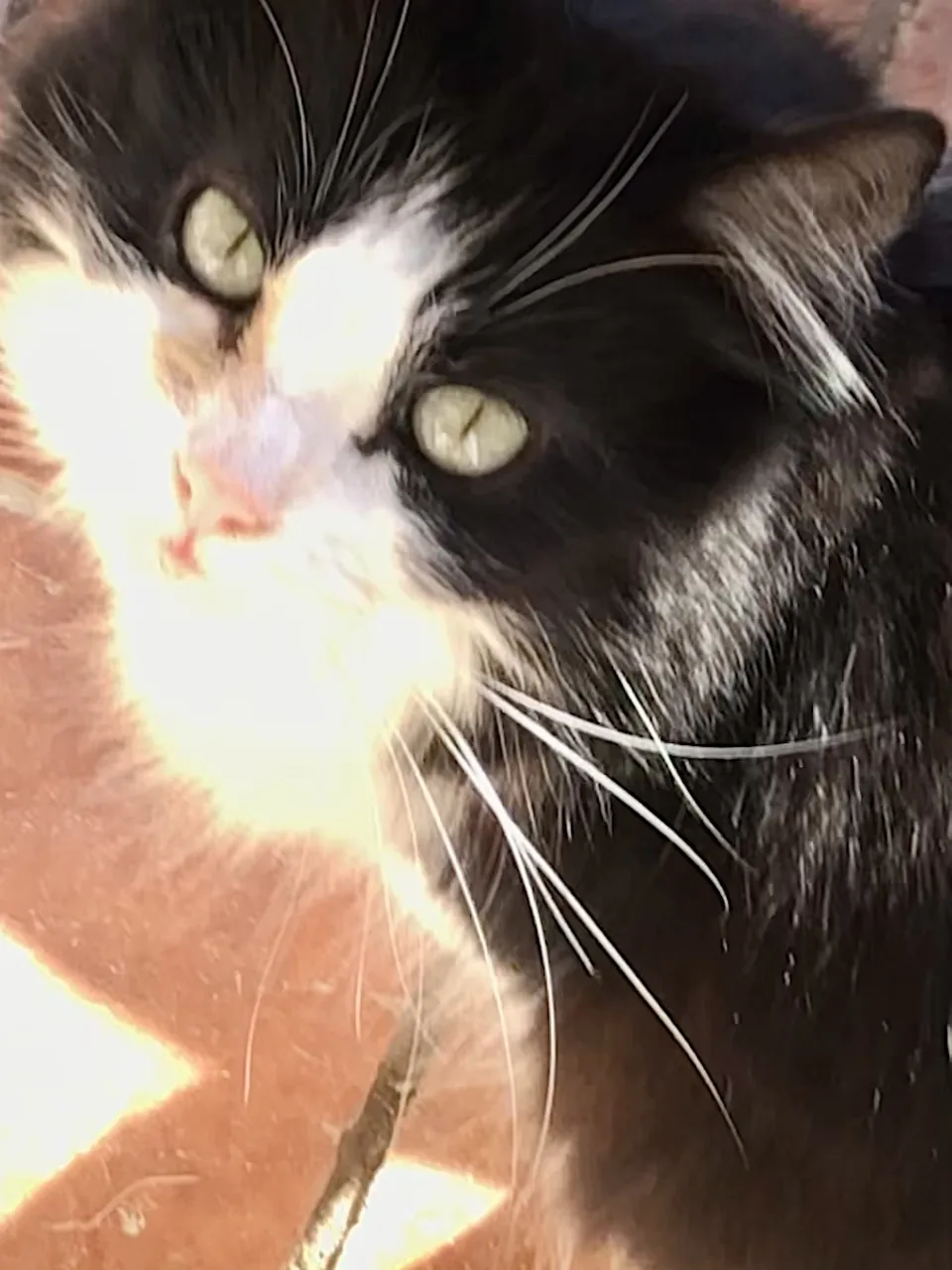
Read the story
His Majesty would like to order from your plate. Politely decline. Here are ten foods a cat must never eat.
Ten: onions, garlic, chives and leeks. Raw, cooked or powdered, they damage red blood cells. Yes, even in the gravy.
Nine: chocolate. And the darker it is, the worse it gets.
Eight: coffee, tea and energy drinks. A caffeinated cat is not a productive cat.
Seven: alcohol. Even a small amount can be deadly. The king does not do happy hour.
Six: grapes and raisins. Nobody knows exactly why they're dangerous. So let's not find out with your cat.
Five: raw bread dough. It keeps on rising… inside the stomach.
Four: milk. Most adult cats can't digest it. Cartoons lied to you.
Three: raw meat, raw fish and raw eggs. They can carry bacteria like salmonella.
Two: cooked bones and fat trimmings. Bones can splinter, and fat can upset the stomach badly.
And number one: salty snacks. Crisps are for humans with regrets.
Plus a bonus that isn't food at all: never give your cat paracetamol, or any human painkiller. For cats, it can be fatal.
If your cat eats something on this list, call your vet straight away, and take the packaging with you.
His Majesty will now be having… cat food. Again. Thrilled.
Cats are brilliant at looking at your plate as if they haven't eaten for a week. Don't fall for it. Some very normal human foods can make a cat seriously ill, and a few can be deadly. Watch the short film above for the quick version, then keep this list somewhere handy.
The ten foods to keep off the menu
1. Onions, garlic, chives and leeks
All members of the onion family can damage red blood cells and cause anaemia, and cats are more sensitive to them than dogs. It doesn't matter whether they are raw, cooked or powdered: watch out for onion or garlic powder hidden in gravies, stock, soups, sauces and some baby foods. Signs of poisoning can take a few days to appear, so call your vet even if your cat seems fine.
2. Chocolate
Chocolate contains stimulants called methylxanthines. They can cause vomiting and diarrhoea, restlessness, a racing or irregular heartbeat, tremors and, in serious cases, seizures. The darker the chocolate (and baking chocolate especially), the more dangerous it is.
3. Coffee, tea and energy drinks
The same family of stimulants is found in coffee, tea, energy drinks and caffeine tablets. A few licks of a latte are unlikely to be a disaster, but coffee grounds, tea bags and energy drinks are real risks. Keep mugs out of reach.
4. Alcohol
Alcohol is absorbed quickly and hits a small body hard: vomiting, wobbliness, breathing problems, tremors, and even coma and death. That includes cocktails, liqueur desserts and anything soaked in rum. If your cat drinks any, go to the vet straight away.
5. Grapes and raisins
Grapes and raisins have caused kidney failure in dogs, and nobody yet knows exactly which substance is responsible. Until we know more, vets advise keeping them away from cats too. That includes raisin bread, fruit cake and trail mix.
6. Raw bread dough
Raw yeast dough keeps rising in the warm stomach, which can cause painful bloating. As the yeast ferments, it also produces alcohol. Baked bread is a different story: a tiny bit is not dangerous, but it isn't cat food either.
7. Milk and dairy
Forget the cartoon cat with a saucer of milk. Most adult cats don't produce enough lactase, the enzyme that digests milk sugar, so milk and dairy often cause diarrhoea and stomach upset. Fresh water is the best drink for a cat.
8. Raw meat, raw fish and raw eggs
Raw meat, fish and eggs can carry bacteria such as Salmonella and E. coli, which can make cats (and the humans cleaning up after them) ill. Raw egg white also contains avidin, which can interfere with a B vitamin.
9. Cooked bones and fat trimmings
Cooked bones can splinter and cause injuries or blockages in the gut. Fat trimmings can cause vomiting and diarrhoea, and may trigger pancreatitis. No leftovers from the Sunday roast.
10. Salty snacks
Crisps, pretzels, salted popcorn and salty ham are too much salt for a cat. Large amounts can cause vomiting, diarrhoea, tremors and seizures (sodium poisoning). Crisps are for humans with regrets.
Bonus: the most dangerous thing in your kitchen cupboard
It isn't food, but it matters more than anything on this list: never give your cat paracetamol (acetaminophen). For cats it can be fatal. Human anti-inflammatory painkillers such as ibuprofen and aspirin are also dangerous for cats. Never give a cat any medicine that your vet hasn't prescribed for them.
What to do if your cat has eaten something on this list
- Don't wait for symptoms. Call your vet or the nearest 24-hour emergency clinic straight away.
- Tell them what, how much and when. Even a rough guess helps.
- Take the packaging with you. Ingredients and amounts save precious time.
- Don't try to make your cat vomit at home unless your vet tells you to.
So what can I give my cat?
A complete cat food gives your cat everything they need. If you want to share something special, a small piece of plain, cooked, unseasoned chicken or fish (no bones, no skin, no sauce) is a much safer treat. Keep treats small, so they don't replace real meals.
With a house full of curious noses, the easiest rule is simple: human food stays on human plates. His Majesty disagrees, but His Majesty is not a vet.
Questions people ask
Can cats drink milk?
Most adult cats cannot digest lactose properly, so milk and dairy often cause diarrhoea. Fresh water is the best drink. Lactose-free milk made for cats exists, but it is a treat, not a need.
My cat licked something with onion or garlic in it. What should I do?
Call your vet, and tell them what it was and roughly how much. Onion and garlic damage can take a few days to show, so don’t wait for your cat to look ill.
Is a little bit of bread okay?
A small piece of baked bread is not dangerous, although it has no real value for a cat. Raw dough is different: it keeps rising in the stomach and produces alcohol, so it is an emergency.
Can I give my cat paracetamol for pain?
No, never. Paracetamol can be fatal to cats, and human painkillers such as ibuprofen and aspirin are also dangerous. If your cat seems to be in pain, call your vet.
What treats are safe to share?
A small piece of plain, cooked, unseasoned chicken or fish without bones or skin is a safer choice than anything on this list. Keep treats small so they don’t replace a complete cat food.
Sources
Stories like this one cost food, vets and time.
A monthly Patreon sponsorship keeps the next rescue possible — and you get the behind-the-scenes updates.
Keep reading
Everyday care
Why declawing is never the answer (and what to do instead)
Declawing isn't a nail trim: it's the amputation of the last bone of every toe. It can cause lifelong pain, it's banned in Spain, and it's never necessary. Here's what it really involves, and how to protect your sofa the kind way.
29 Sept 2026
Everyday care
Why you shouldn't skip brushing your cat
Cats groom themselves for hours, so why brush them? Because brushing means fewer hairballs, no painful mats, and a free weekly health check. Here is how often to brush, how to do it without a fight, and what never to do with a mat.
29 Sept 2026
Everyday care
10 plants that can poison a cat (and the one that is deadliest)
Some of the most common garden and houseplants in Spain are dangerous for cats, and lilies top the list: even pollen or vase water can cause kidney failure. Here are the ten to know, the warning signs, and cat-safe plants to grow instead.
29 Sept 2026