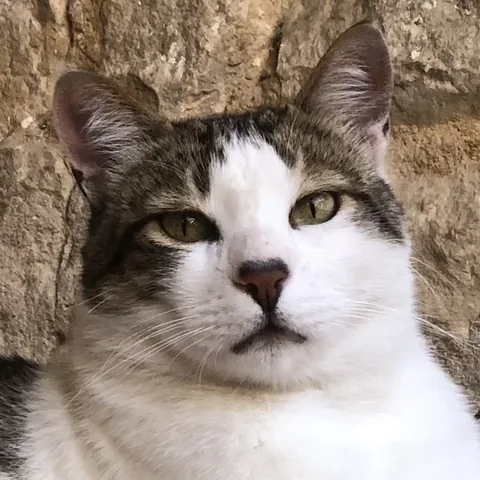
His Majesty's Night Concert
His Majesty yowls at 3 a.m., eats everything and still loses weight. A short hand-drawn film about cat thyroid problems (hyperthyroidism): the signs, the risks and the four treatments.
Transcript
Three in the morning. His Majesty is performing. Again. Loud. Long. And very, very sincere.
Night-time yowling in an older cat isn't always drama. One common reason is an overactive thyroid: hyperthyroidism.
It's the most common hormone problem in older cats. Around one in ten cats over the age of ten has it.
A small, usually harmless growth in the thyroid gland makes too much hormone, and the whole body goes into overdrive.
So watch for this: eating more than ever, but losing weight. Drinking and peeing more. Restless, even hyper. Vomiting. A scruffy coat. And yes… yowling. Especially at night.
Left untreated, it strains the heart, raises blood pressure, and can even damage the eyes.
The good news? A simple blood test can find it. And there are four ways to treat it: daily tablets, or a gel for the ear. A special diet. Surgery. Or a single injection of radioactive iodine, which cures most cats.
Your vet will also check the kidneys, because treating the thyroid can reveal a kidney problem that was hiding.
With treatment, most cats go back to their old selves. His Majesty has put on weight, sleeps through the night… and has cancelled his world tour.