FIP treatment in practice: the 84 days, tablets or injections, the first days and neurological FIP
By Dalia · Last reviewed 22 Nov 2026
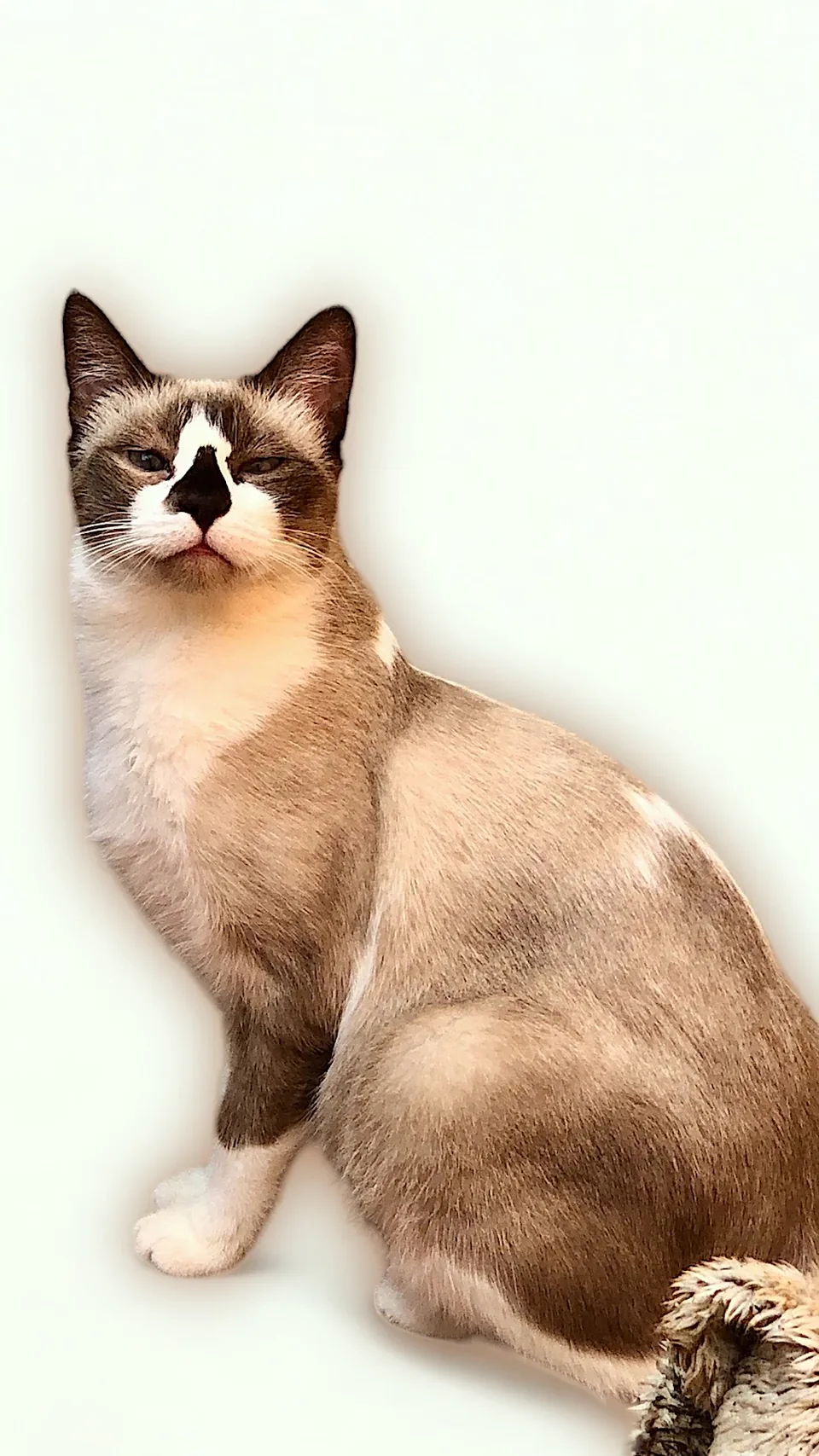
Your cat has FIP and your vet has started antiviral treatment, or is about to. This guide covers the day-to-day questions: how long treatment lasts, tablets or injections, how to give the tablets, what the first days look like, what is different in neurological FIP, and what happens afterwards. For what FIP is and where treatment is legal, country by country, see FIP in cats: treatable, but not legally everywhere.
One rule first: the drug, the dose and the length of treatment are decided by your vet. Doses depend on the form of FIP and on your cat's weight, which changes during treatment, so this guide gives none.
How long does FIP treatment last?
The standard course is 84 days, which is 12 weeks, of antiviral every single day. Most of the published evidence is for that length.
Shorter courses are being studied. In one trial, cats with the wet form that responded quickly did as well on 42 days (6 weeks) as on 84. That does not mean every cat can stop early: the shorter course is mainly described for wet FIP, and stopping needs normal blood results and a cat that has been clinically normal for a while. Your vet decides, on the blood tests, when to stop.
Tablets or injections?
Today most cats can be treated with tablets or a liquid by mouth from the first day. Injections are mainly kept for:
- cats too ill or too dehydrated to take anything by mouth
- cats with severe neurological signs that cannot swallow safely
- cats that cannot be medicated by mouth for other reasons
Injections under the skin sting for about half of cats, which is one reason vets move to treatment by mouth as soon as the cat can take it.
Giving the tablets: before or after food?
This is one of the most common questions. Current veterinary advice for GS-441524 by mouth is:
- give it on an empty stomach, with a little water, a small treat or a spoonful of wet food
- wait at least 30 minutes before the main meal
- do not mix the dose into a full bowl: you cannot tell how much was eaten
- many owners fast the cat overnight and give the dose first thing in the morning, when the cat is keen to eat
Follow the instructions that came with your cat's medicine, because products differ, and ask before crushing or splitting a tablet. Give it at the same time every day, and if your cat vomits soon after a dose, call your vet before giving another.
The first days: what to expect
- Days 2 to 5: fever, mood and appetite usually improve. Many owners see the cat eat properly for the first time in weeks.
- By about 2 weeks: fluid in the belly or chest has usually gone.
- Weight: should climb steadily. Weigh your cat every week, because the dose is calculated on weight and has to be raised as the cat grows. Not adjusting the dose for a growing kitten is one of the most common reasons treatment fails.
- It can look worse before it looks better. Fluid, eye inflammation or neurological signs sometimes worsen briefly in the first days.
Call the vet the same day if breathing becomes fast or laboured, if your cat stops eating again, or if there is no improvement at all after the first week. A slow response does not always mean failure: the vet will first re-check the diagnosis and look for another illness, and may then change the dose.
Neurological and eye FIP
When FIP affects the brain, the spinal cord or the eyes, the medicine has to cross natural barriers that protect those organs. That is why vets prescribe higher doses for these forms, and why they are the hardest to treat.
- Improvement tends to be slower than in wet FIP.
- Eye inflammation may need eye drops as well, and checks of the pressure in the eye.
- Some cats keep a mild, stable problem after recovery, such as a slightly wobbly walk. If everything else has returned to normal, that does not mean the treatment has failed.
- A relapse can show up as neurological signs even in a cat that started with the wet form: wobbliness, a head tilt, seizures or a change in behaviour are always a reason to call the vet.
Blood tests and side effects
Expect blood tests during treatment and before it ends. They show whether the inflammation is settling and whether it is safe to stop.
- A rise in one liver value is seen in roughly a third of treated cats and usually needs no treatment.
- Diarrhoea is common during treatment: mention it at the check-up.
- With some of the other antivirals, vets also watch the white blood cell count.
Tell your vet about anything new. Side effects settle after the medicine is stopped.
Neutering, anaesthesia and vaccines
- Neutering: ideally at least 4 weeks after treatment ends. If it cannot wait, vets can do it during treatment once the cat is clinically normal, timed so that the antiviral continues during recovery.
- Vaccines: ideally about a month after treatment ends, or during treatment only if the cat is well and it is urgent.
- Other operations and anaesthetics: a decision for your vet, who will want the cat stable first. Keep clinic stays and stress to a minimum.
After the last tablet
The weeks after treatment are a watch period, traditionally 12 weeks.
- Relapse is uncommon, and when it happens it is most likely in the first month.
- Keep weighing every week and watch appetite, energy and temperature.
- A check-up with blood tests about 4 weeks after stopping is usual.
- A relapse can be treated again, so call early.
When FIP is an emergency
Go to a vet now, day or night, if your cat:
- is breathing fast, with effort or with an open mouth
- has a seizure, cannot stand or suddenly cannot see
- has not eaten for a full day or is too weak to lift its head
- has a very swollen belly and seems in distress
FIP moves fast when it is not treated, and the first days of treatment matter most.
Questions people ask
How long does FIP treatment last in cats?
The standard course is 84 days (12 weeks) of daily antiviral. Shorter courses of 42 days have worked in studies of wet FIP that responded quickly, but your vet decides when to stop, based on blood tests.
Is FIP treatment tablets or injections?
Most cats can now be treated by mouth from the first day. Injections are mainly kept for cats that are too ill or too dehydrated to swallow, or that cannot be medicated by mouth.
Can my cat eat before the GS-441524 tablet?
Current advice is to give it on an empty stomach, with a small treat or a little wet food, and to wait at least 30 minutes before the main meal. Follow the instructions for your cat's own product.
How quickly does a cat with FIP improve on treatment?
Fever, mood and appetite usually improve within 2 to 5 days, and fluid has usually gone by about 2 weeks. Some signs can worsen briefly first. No improvement after the first week is a reason to call the vet.
Can neurological FIP be treated?
Yes, but it is the hardest form. The medicine has to reach the brain, so vets prescribe higher doses, improvement is slower, and some cats keep a mild, stable problem such as a slightly wobbly walk.
Can FIP come back after treatment?
Relapse is uncommon and is most likely in the first month after treatment ends. A check-up about 4 weeks after stopping is usual, and a relapse can be treated again.
Sources
- An update on the treatment of feline infectious peritonitis (July 2025) — International Cat Care
- 2025 FIP update guide — Feline Veterinary Medical Association
- Short treatment of 42 days with oral GS-441524 results in equal efficacy as the recommended 84-day treatment — Viruses (2024)
- Unexpected clinical and laboratory observations during and after 42-day versus 84-day treatment with oral GS-441524 — Viruses (2025)
- Remdesivir and oral GS-441524 for FIP: a clinical trial — Journal of Veterinary Internal Medicine
- Summary of GS-441524 treatment for FIP — UC Davis Center for Companion Animal Health
Stories like this one cost food, vets and time.
A monthly Patreon sponsorship keeps the next rescue possible — and you get the behind-the-scenes updates.
Keep reading
Health basics
FIP in cats: now treatable — but not legally everywhere
Feline infectious peritonitis (FIP) used to be a death sentence. Antiviral treatment has changed that, and has moved from daily injections to tablets. But whether your vet can legally prescribe it depends on where you live, and in Spain only exceptional routes exist. Here's what FIP is, the signs, how treatment works, and the situation country by country.
30 Sept 2026
Health basics
Living with a hyperthyroid cat: life expectancy, T4 values, ear gel and poor appetite
Once thyroid treatment has started, the practical questions begin. How long cats live with hyperthyroidism, how to read T4 values in an old cat, why the value will not come down, how to apply ear gel safely, and what to do when a hyperthyroid cat eats very little.
22 Nov 2026
Health basics
IBD or lymphoma in cats: how it is diagnosed, and what vomiting blood means
No blood test can confirm IBD in a cat. Here is how vets work out whether it is IBD, intestinal lymphoma or something else: what each test shows, what a biopsy adds, what to note before the appointment, and what to do when a cat vomits blood.
22 Nov 2026